
Where the River Meets the Sea: A Morning in Poovar
A scenic Poovar boating experience through Kerala's serene backwaters, lush mangroves, floating cottages, and the spectacular river-sea confluence.

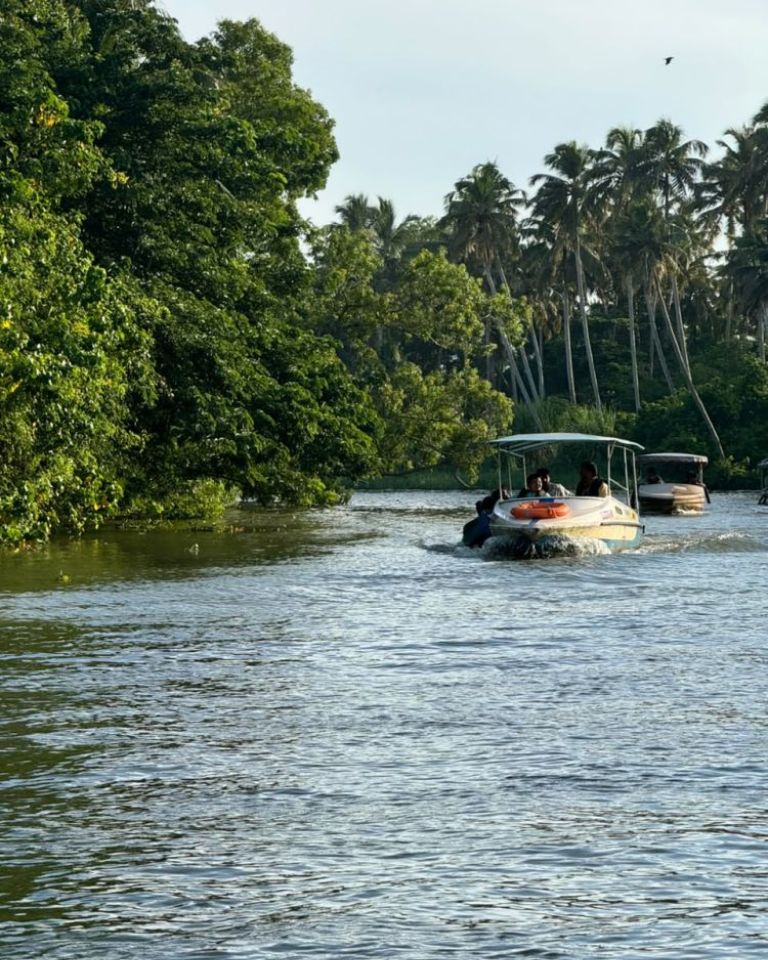


Some mornings ask very little of you, and my day in Poovar was one of them. I left Trivandrum while the city was still stretching awake, with a flask of tea in my bag and a single plan: a slow morning of Poovar boating, the kind where a river quietly hands you over to the sea. I had booked a private motorboat through Cruoo the evening before, and the confirmation sat on my phone like a small promise.
The road south is a gentle lesson in Kerala’s coastline. Traffic thinned after the city’s edge, and the air began to smell of salt and wet earth. Coconut palms leaned over the road as if they were trying to read my window. Fishing villages slid by, with their church spires, their nets drying in the early light, and a tea shop already doing brisk business. It took a little over an hour, and I was glad of every minute. Arriving somewhere gradually changes how you receive it.
The booking confirmation had given me the meeting point and a local contact, and finding the boat was easy. It was a private open motorboat, just for us, with nothing between me and the water. I had chosen the 1.5-hour Full Scenery Route, which my page had called the most popular, and now I understood why. The shorter ride skips too much, and I had no wish to be hurried. I tucked my phone away, applied sunscreen with the seriousness of someone who has been burned before, and kept my water bottle close.
We pushed off onto the Neyyar River, and everything went quiet. The water was calm and the colour of strong tea, and the morning light lay across it in long, soft strips. I have never found a better hour for a river. The engine hummed low, the boatman said little, and I realised I had stopped checking the time.
Then the mangroves closed in. The canopy gathered overhead and the light turned green and dappled, and the roots rose out of the water in tangled arches, like the ribs of something ancient and patient. A kingfisher flashed past, a blue so sudden it felt like a rumour. We drifted through a small mangrove island, and I put my hand out, almost touching the leaves, while my companion simply stared upward. Nobody spoke. It felt wrong to.
When the channel opened again, Poovar Island came into view, with its houses, its coconut groves and its slow, unhurried life. The ride gave me small wonders one after another. We passed the Mother Mary statue standing quietly at the water’s edge, and Coconut Island, which is exactly what it sounds like and lovelier than that. We slipped into the narrow AVM Canal, where the banks pressed close and the water seemed to hold its breath. Locals went about their mornings on the shore, and I felt like a polite guest in someone’s living room.
Further along, the floating cottages appeared, resting on the water like quiet thoughts. This route only lets you see them from the boat, and I found that enough. They looked so peaceful that I wondered what it would be to wake up there, with the water lapping beneath the floor. I filed the idea away for another trip, and the boat carried on.
Estuary Point was where the story turned. The river widened and the air changed, and I could feel the sea before I could see it. The water grew restless and a breeze came in with salt on its breath. It was like watching two old friends meet after a long separation. The calm brown of the Neyyar gave way to the open blue of the Arabian Sea, and for a moment I couldn’t tell where one ended and the other began.
And then, Golden Sand Beach. The boat nosed in, and we stepped onto a wide ribbon of pale sand with the waves tumbling in one after another. We had fifteen minutes there, and I used them the way you should: shoes off, trousers rolled, standing in the surf with the cool water pulling the sand from beneath my feet. A few minutes of that is enough to feel the whole morning settle inside you. My companion laughed at nothing in particular. I took one photograph and then, wisely, put the phone away.
The ride back was quieter. We both knew the best part had already been given to us, and we let it be. The sun had climbed higher by then, sharpening the water, and I was grateful for the hat and the bottle of water. I watched egrets stalk the shallows and thought about how little this had cost in effort and how much it had given. Travel doesn’t always need to be large. Sometimes it is simply a boat, a river, and a morning willing to be slow.
By the time we stepped back onto the jetty, the village was fully awake and so was the heat. I thanked the boatman, who nodded with a small smile, as if he had watched a thousand people fall quietly in love with this place and never tired of it.
On the drive back to Trivandrum, I kept the windows down. The salt stayed in my hair, the sand stayed in my shoes, and the silence of the mangroves stayed with me long after the city’s noise returned. Poovar had asked for just one morning, and it gave back far more than that.
Related Places


Other Travelogues
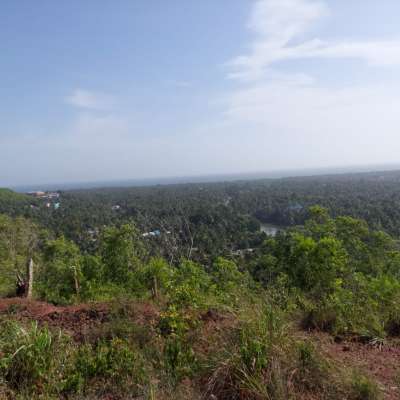
Judgekunnu(ജഡ്ജി കുന്നു )- Panorama veiw of Thiruvananthapuram cityview of thiruvananthapuram city
Judgekunnu Location: Nirammel, Thiruvallom A view point of whole city
TEENA MARY
ആഴിമല ശിവക്ഷേത്രം - ആഴിമലയിലെ അത്ഭുത പ്രതിമ
തിരുവനതപുരം ജില്ലയിലെ വിഴിഞ്ഞത്തിനടുത്ത് ആഴിമല മഹാദേവ ക്ഷേത്രത്തിലേക്ക് ഒരു യാത്ര
Sreehari Kadapra

വാഴ്വാൻതോളിലേക്ക് ഒരു പെൺയാത്ര.
അഗസ്ത്യർ വനമേഖലയുടെ ഉള്ളിലെ ഒരു വെള്ളച്ചാട്ടം ആണ് വഴുവൻതോൾ.അത് തേടി കാട്ടിലൂടെ ഉള്ള ഒരു yathra
TEENA MARY

Kanyakumari Road Trip from Bangalore
Kanyakumari Long Drive trip in the August 2024 long weekend (Aug 14 to Aug 18).
Ritoparna Ray


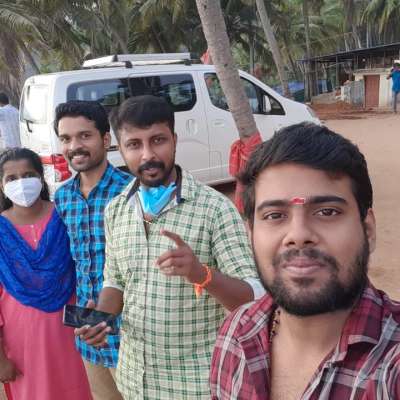
Poovar
തിരുവനന്തപുരം തമ്പാന്നൂർ റയിൽവേ സ്റ്റേഷന് അടുത്ത് നിന്ന് ഏകദേശം 27 കലോമീറ്റർ സഞ്ചരിച്ചാൽ പൂവാറിൽ എത്താം .
Laveen


അത്ഭുതമായി കന്യാകുമാരിയിൽ ഒരു പാലം | South Asia's Longest Hanging Trough Bridge | Mathur Aqueduct |
A Must Watch place in Kanyakumari !
Sajitha Saawariya