Viva Goa: A Place to Return to Again and Again
Party city, the pretext was my son's birthday, but it turned into a memorable travel story as we discovered its beautiful beaches, the vibrant life that revolves around them, rich history, and Portuguese inspired cuisine.


It was a 3-night, 4-day trip to Goa, covering both North and South Goa. We took a flight from Bengaluru to Dabolim International Airport and arrived late at night. We hired a car in Goa that picked us up from the airport and stayed with us for 8–10 hours each day over the next three days.
Goa has two international airports, Dabolim International Airport (GOI) in South Goa and Manohar International Airport (GOX) in North Goa. Although our hotel, Acron Candolim Regina Resort, was in North Goa, we chose Dabolim because its flight timings were more convenient for us. In general, Dabolim offers better flight frequency than Manohar, making it a preferred choice for many travelers.
The drive from Dabolim Airport to our hotel took about one hour. Since dinner at the hotel was served only until 10:00 PM, we had our meal on the way before checking in.
Located in Candolim, the 4-star Acron Candolim Regina Resort is a good base for exploring North Goa. It offers spacious rooms, a multi-cuisine restaurant, an outdoor swimming pool, and a spa. Popular attractions like Candolim Beach are within a 15-minute walk from the hotel, while Calangute Beach and Fort Aguada are just a short drive away.

One of the resort's most distinctive features is a beautifully preserved Goan-Portuguese heritage house, built in 1895 and integrated into the hotel complex. Like many resorts in Goa that preserve Portuguese-era villas or ancestral homes, the newer hotel wings have been thoughtfully built around this heritage structure, allowing the property's historic charm to blend seamlessly with modern comforts.
My son had his birthday next day. I planned the tour in such a way that we can celebrate his birthday and cut the cake in the evening sitting in the rock of the Anjuna beach with family members.
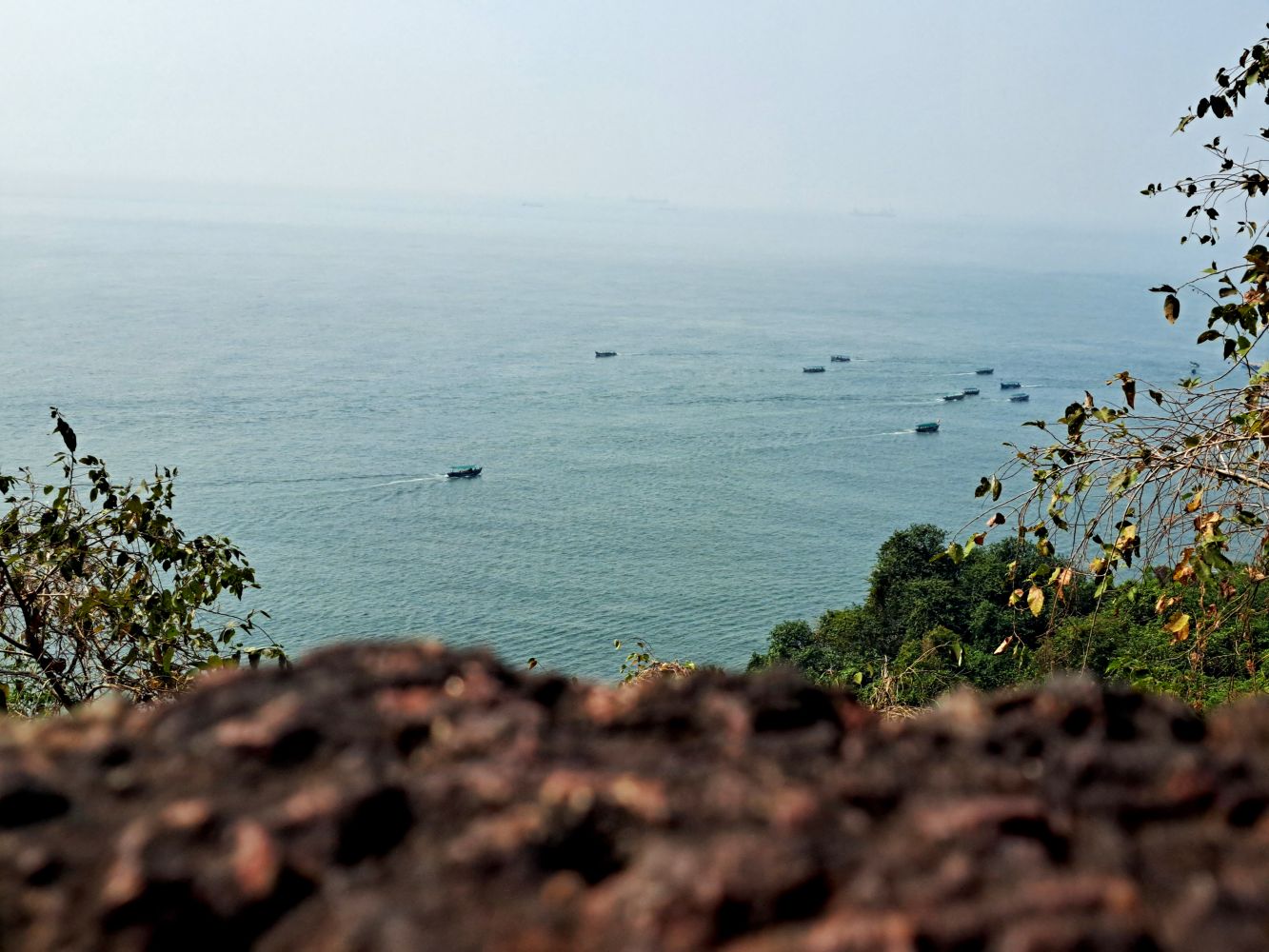
After enjoying a complimentary breakfast with a wide spread of delicious dishes at the hotel, we set out for our first destination in Goa. Our first stop was the historic Fort Aguada. Built by the Portuguese in 1612, the fort once guarded the entrance to the Mandovi River and served as an important freshwater replenishment point for passing ships. Standing atop the hill, it offers panoramic views of the Arabian Sea, making it one of Goa's most iconic landmarks.
We booked our tickets at the entrance of Fort Aguada. The entry fee was 25/- per adult, while children below 15 years of age could enter free of charge.

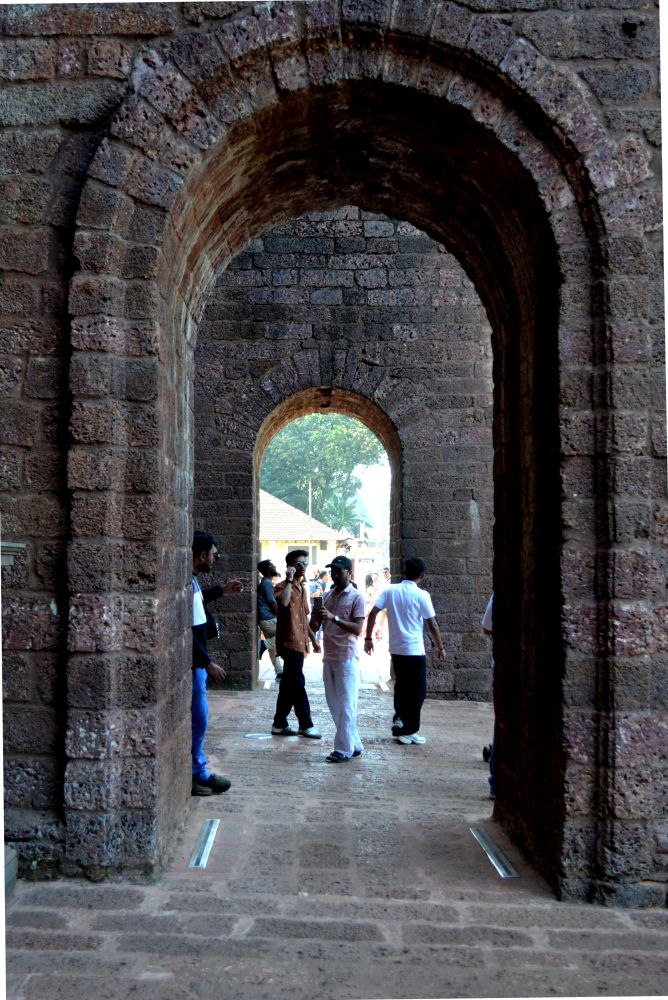
As we stepped through the massive stone gateway, we could imagine how this 17th-century Portuguese fort once guarded Goa's coastline and welcomed ships arriving from distant lands. The centuries old laterite walls stood as witnesses to centuries of history. Walking inside, we came across vast open courtyards and the iconic lighthouse standing near the seashore. As we approached the fort's ramparts, the cool sea breeze and the breathtaking panoramic views of the Arabian Sea gave us the feeling of standing amidst history while enjoying the untouched beauty of nature.
Although we visited Goa during winter, the weather felt more like summer. After coming out of Fort Aguada, we bought fresh coconut water to cool ourselves down and also purchased caps to protect ourselves from the strong sunlight.

If you're planning a trip to Goa, I recommend carrying light cotton clothes, a cap or a hat, sunglasses, and sunscreen, regardless of whether you visit in summer or winter. The sun can be quite intense during the day, and these essentials will help you stay comfortable while exploring.
We then headed towards Candolim Beach. My son wanted to buy some beach toys to play with and build sand structures. We bought him a set, and together we enjoyed playing in the waves and building a little sand house on the beach. It was a simple yet joyful experience.

From there, we moved to our next destination, Calangute Beach, which was less crowded than Candolim Beach during our visit. After dropping us off, our driver parked the car in a parking area a little farther away, so we had to walk through the lively street market. The market was lined with shops selling handicrafts, beachwear, and souvenirs. We bought a few Goa souvenirs for ourselves and some gifts for our family.

After having lunch, we headed towards Chapora Fort. On the way, we caught a glimpse of Baga Beach from a distance. We stopped the car for a while to admire the scenic surroundings. With a hill on one side of the road and the backwaters connected to the beach on the other, where numerous fishing and leisure boats were anchored, the view was truly picturesque.
By the time we reached Chapora Fort, it was almost 5:00 PM, and the fort was about to close. The good part was that there is no entry fee. Reaching the top requires a short uphill walk of around 100–120 steps, which usually takes 10–15 minutes at a comfortable pace. Since we had only about five minutes before the entry closed, we hurried up the hill along with the kids and managed to make it just in time.

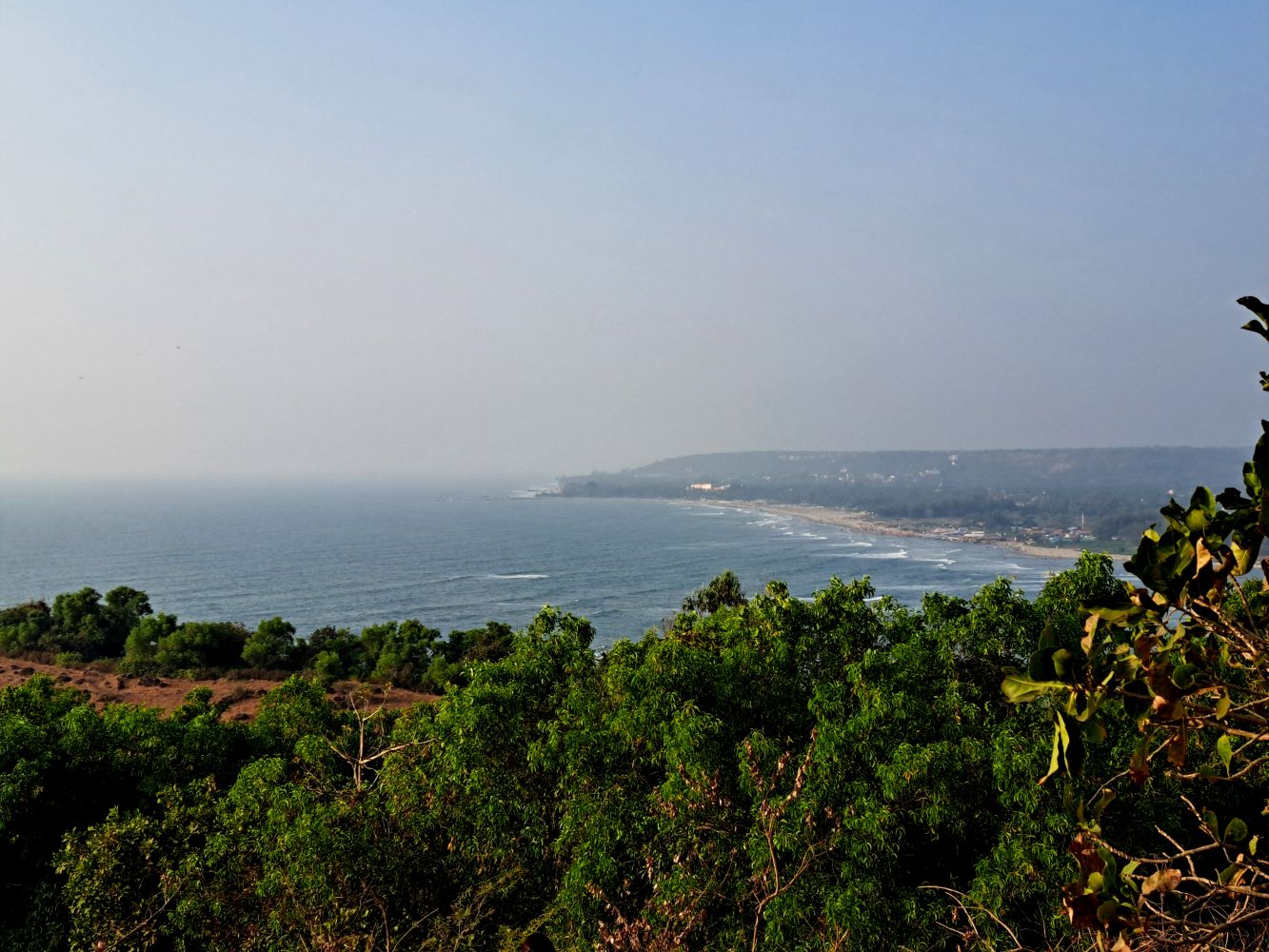
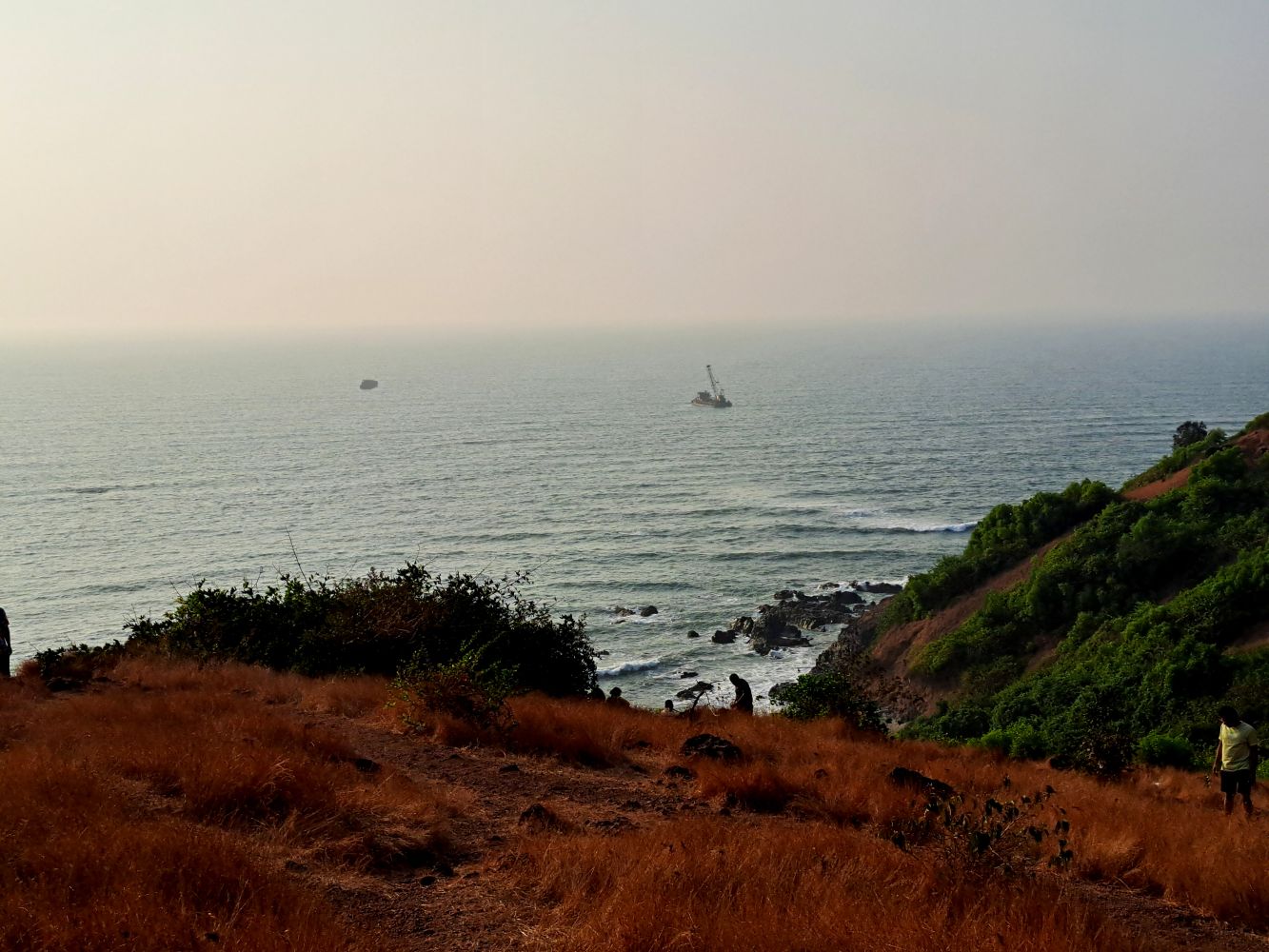
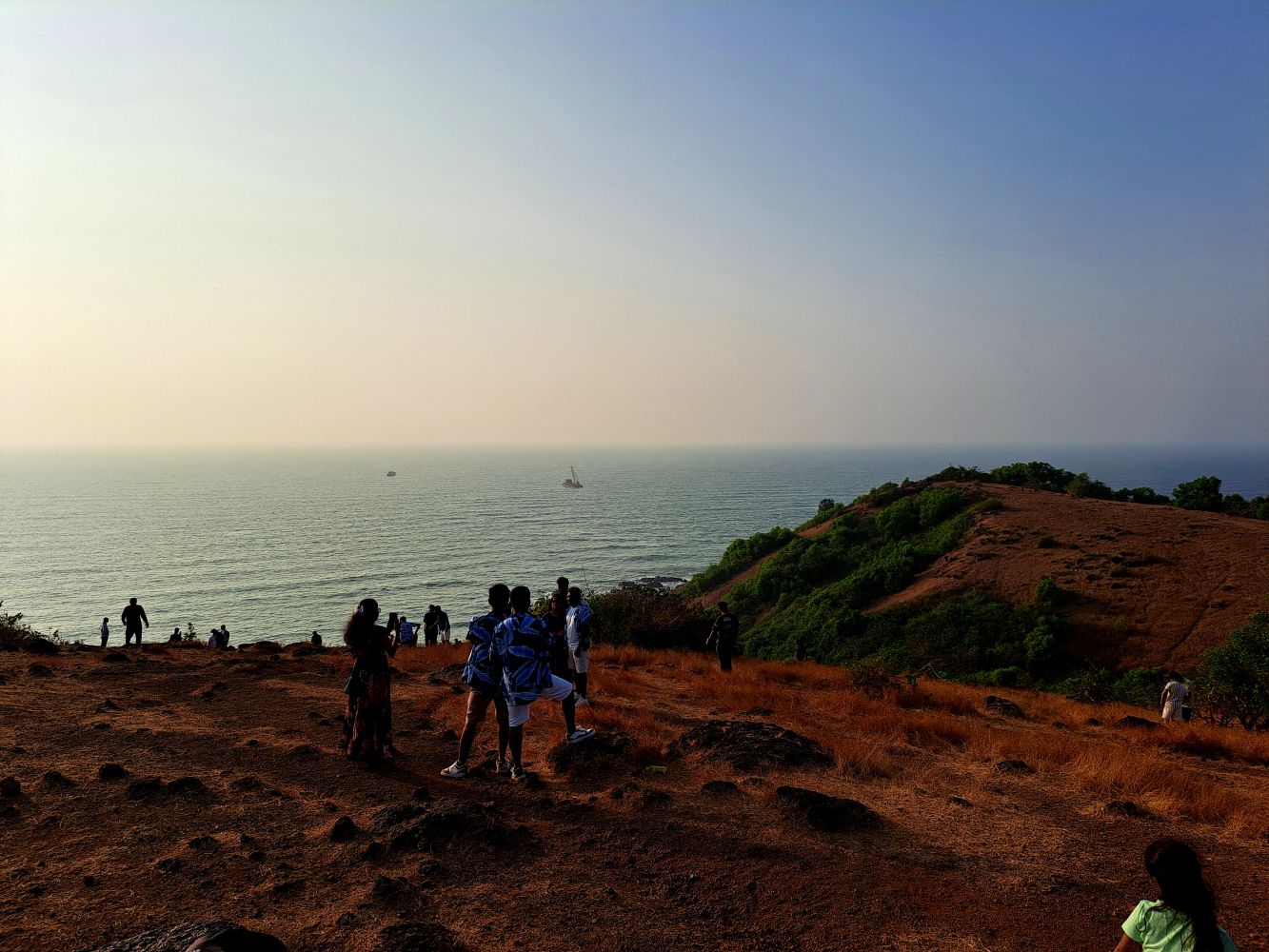
Once I reached the top after overcoming the steep climb, I realized that every bit of the effort was worth it. We were rewarded with breathtaking panoramic views of the Arabian Sea, Vagator Beach, and the Chapora River. I stood there for a while, feeling the cool sea breeze on my face as I admired the endless blue sea and the picturesque coastline stretching before me. It was one of those moments that made our Goa trip truly unforgettable.
Originally built by the Adil Shahi rulers and later rebuilt by the Portuguese in 1717, Chapora Fort once served as an important military outpost. Today, its historic ruins and spectacular views make it one of the most visited attractions in North Goa. I would recommend visiting either in the early morning or late afternoon (around 4:00–5:00 PM) to avoid the midday heat and enjoy the pleasant weather.

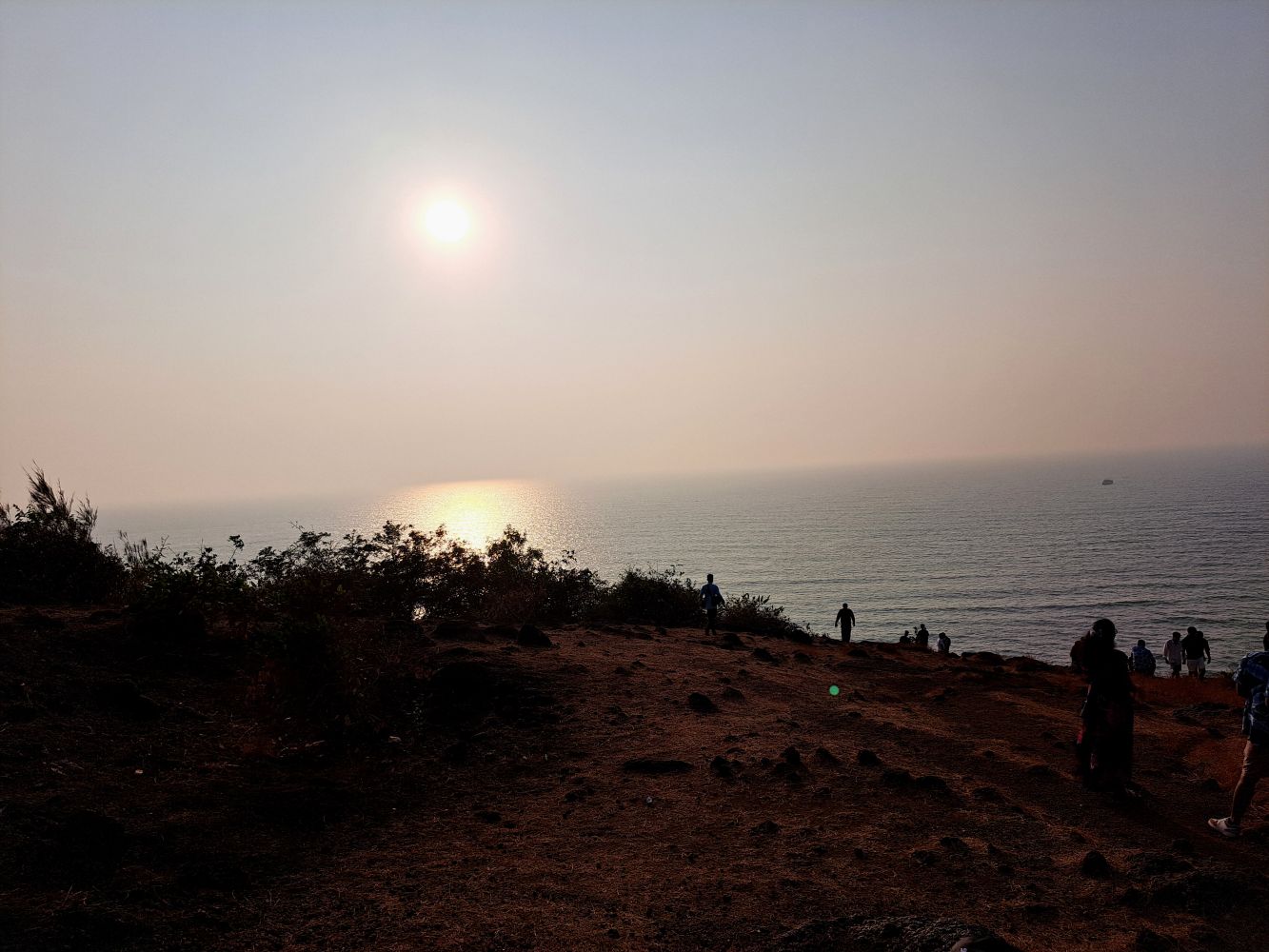
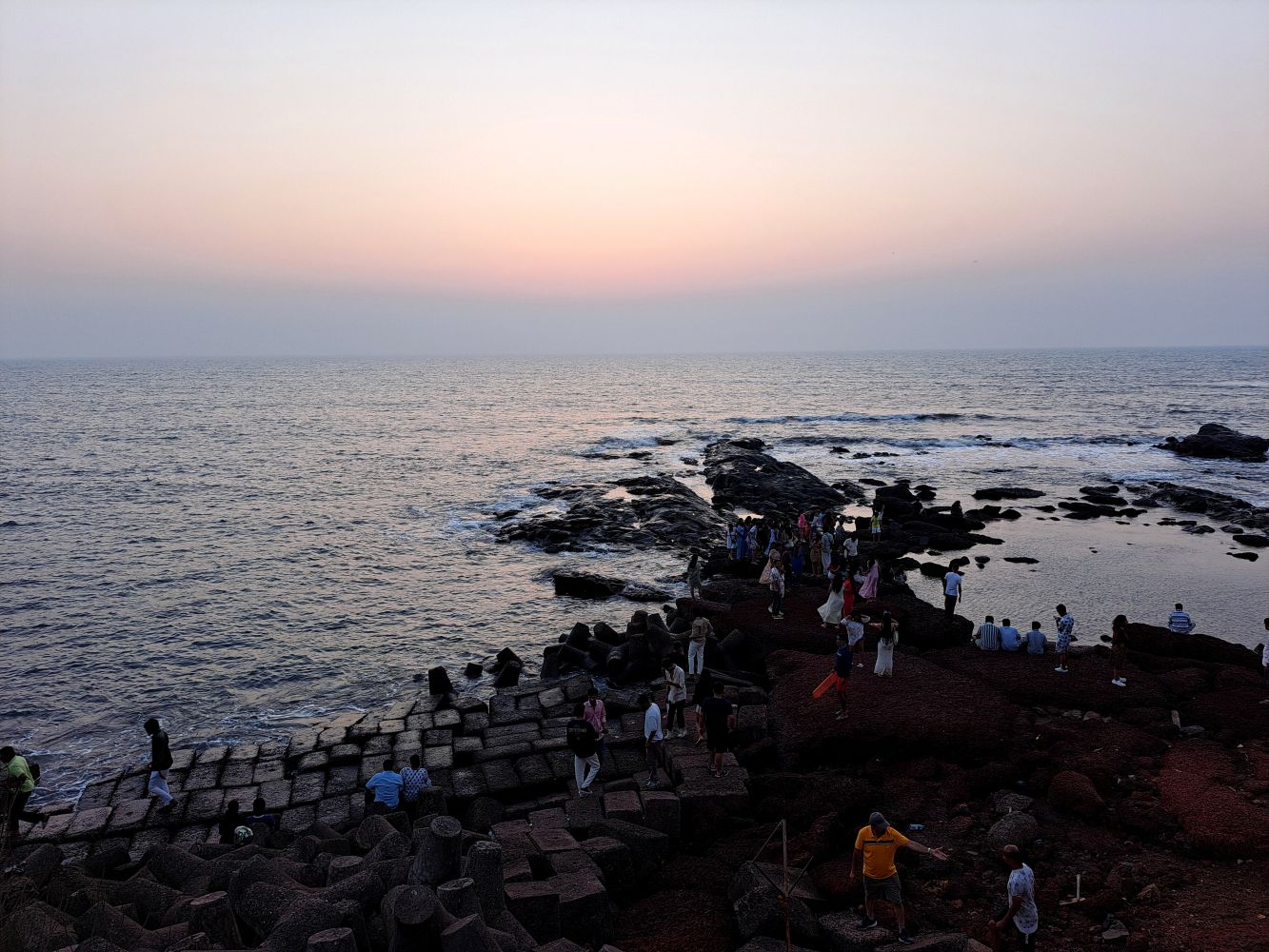
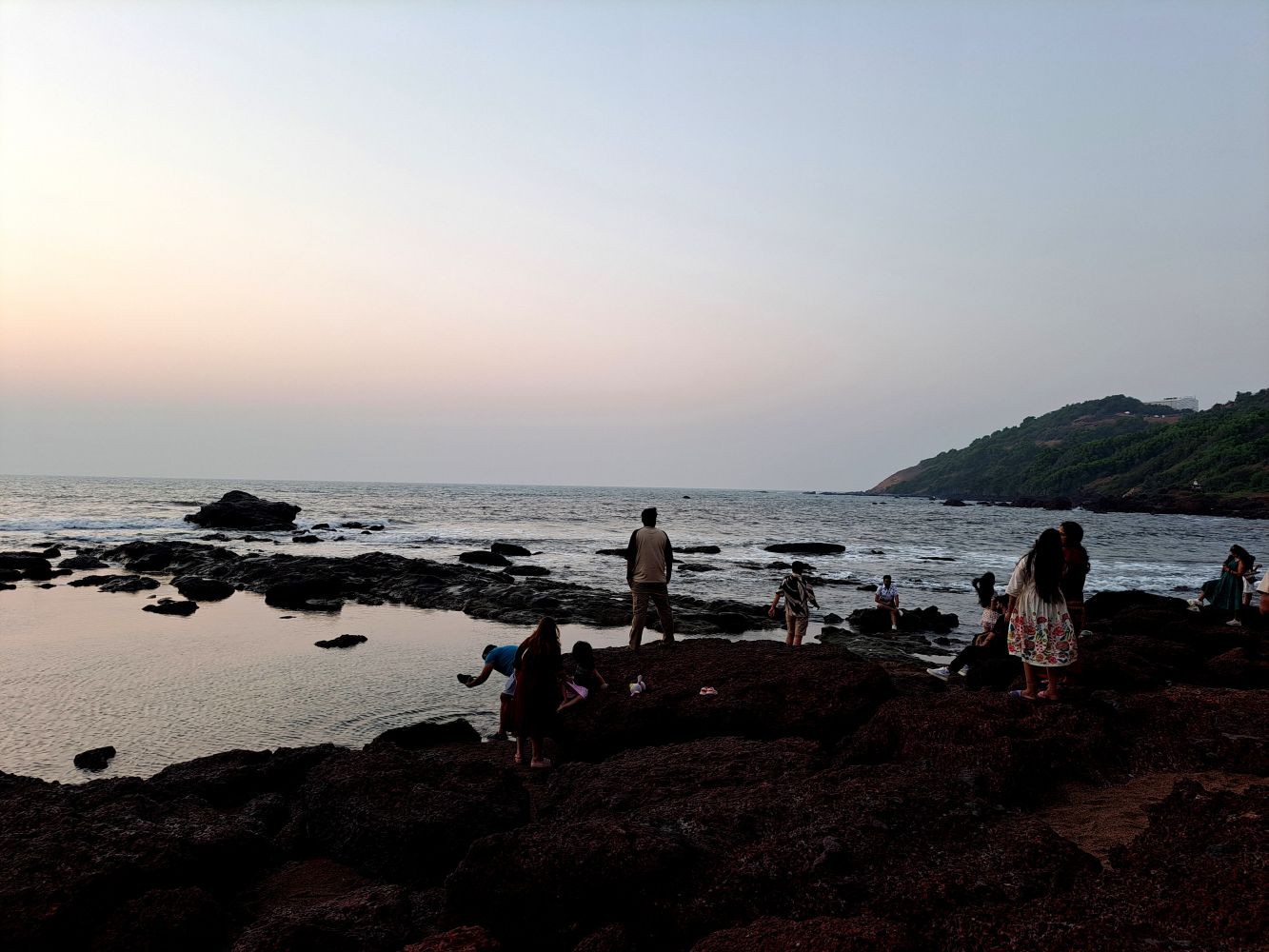
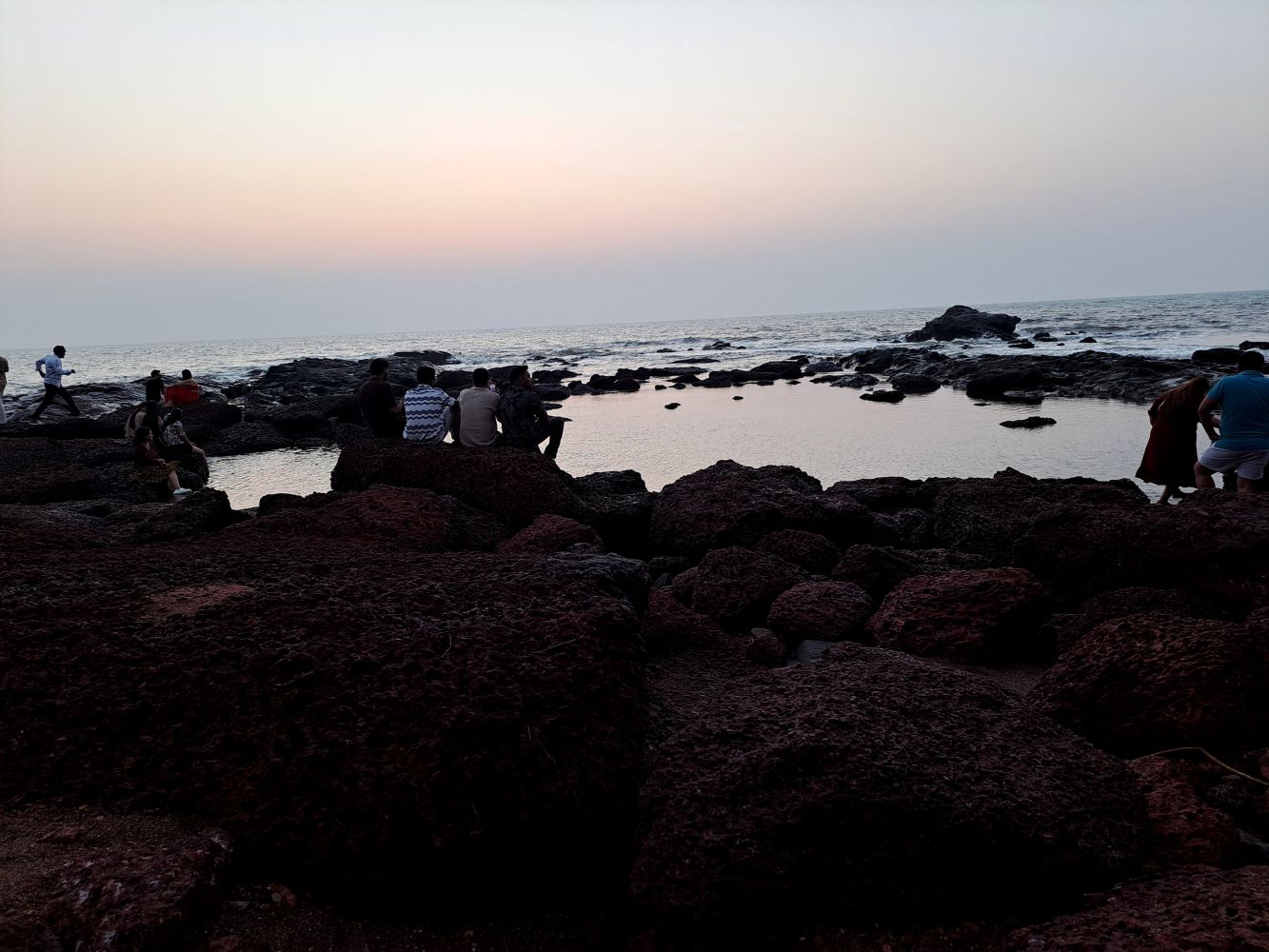
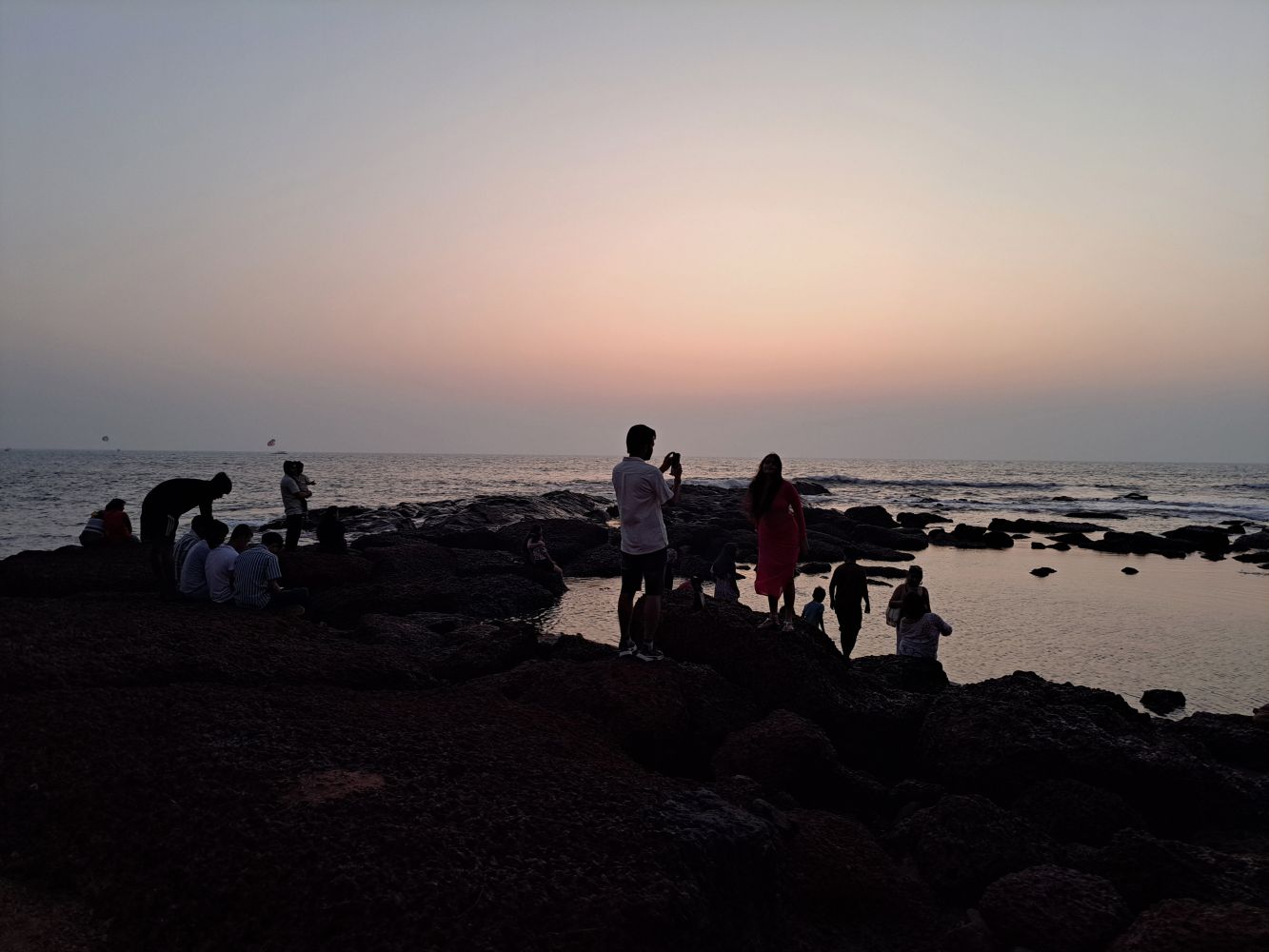
As the day came to an end, we headed to Anjuna Beach to witness one of Goa's most beautiful sunsets and celebrate my son's birthday by cutting a cake on the rocky shoreline. As the sky turned shades of gold and the waves crashed against the rocks, the setting created the perfect end to our day in North Goa. The cool evening breeze, the sound of the sea, and the joy of celebrating together made it a memory we will cherish forever.
After enjoying a cup of tea at Anjuna Beach, we returned to the hotel and had an early dinner. We then rested well, as we had planned to explore South Goa the next day.
After having breakfast at the hotel, we were all set for the second day of our Goa trip. Our first destination was Dona Paula, one of Goa's most popular viewpoints near Panaji.

Located along the Arabian Sea, the place offered a beautiful panoramic view of the sea and the surrounding coastline. Dona Paula is associated with the legend of Dona Paula de Menezes, the daughter of a Portuguese era Viceroy, and her tragic love story with a local fisherman. Their love was opposed by her family, and heartbroken, she is believed to have jumped into the sea from the cliff. The place is popularly known as 'Lover's Paradise'.
There is a famous white sculpture called the 'Image of India' at the viewpoint. According to the Goa Tourism description, the two figures represent Mother India and Young India, with one looking east and the other west, and the Ashoka Chakra between them, symbolising India's ancient culture and its blend with modern ideas.
We went to the viewpoint and spent some time enjoying the cool sea breeze and the beautiful view of the Arabian Sea. Visiting hours is from 8:00 AM to 8:00 PM and Ticket price is 50/- per adult and 25/- per child.

Our next destination was the famous White Church, officially known as the Church of Our Lady of the Immaculate Conception, in Panaji. The bright white church stood beautifully on a hilltop, with its distinctive zig-zag staircase leading up to the entrance. Originally built as a chapel in 1541 and later rebuilt in 1619, it was associated with Portuguese sailors who would stop there to give thanks after safely reaching Goa.
The simple white colour of the church against the blue sky made it a beautiful sight. We climbed the stairs and spent some time admiring its beautiful architecture. I particularly liked the surroundings, which had a distinct Latin Quarter feel, with a mix of heritage homes and modern businesses.
The church is generally open to visitors 9:00 AM–12:30 PM and 3:30 PM–7:30 PM.

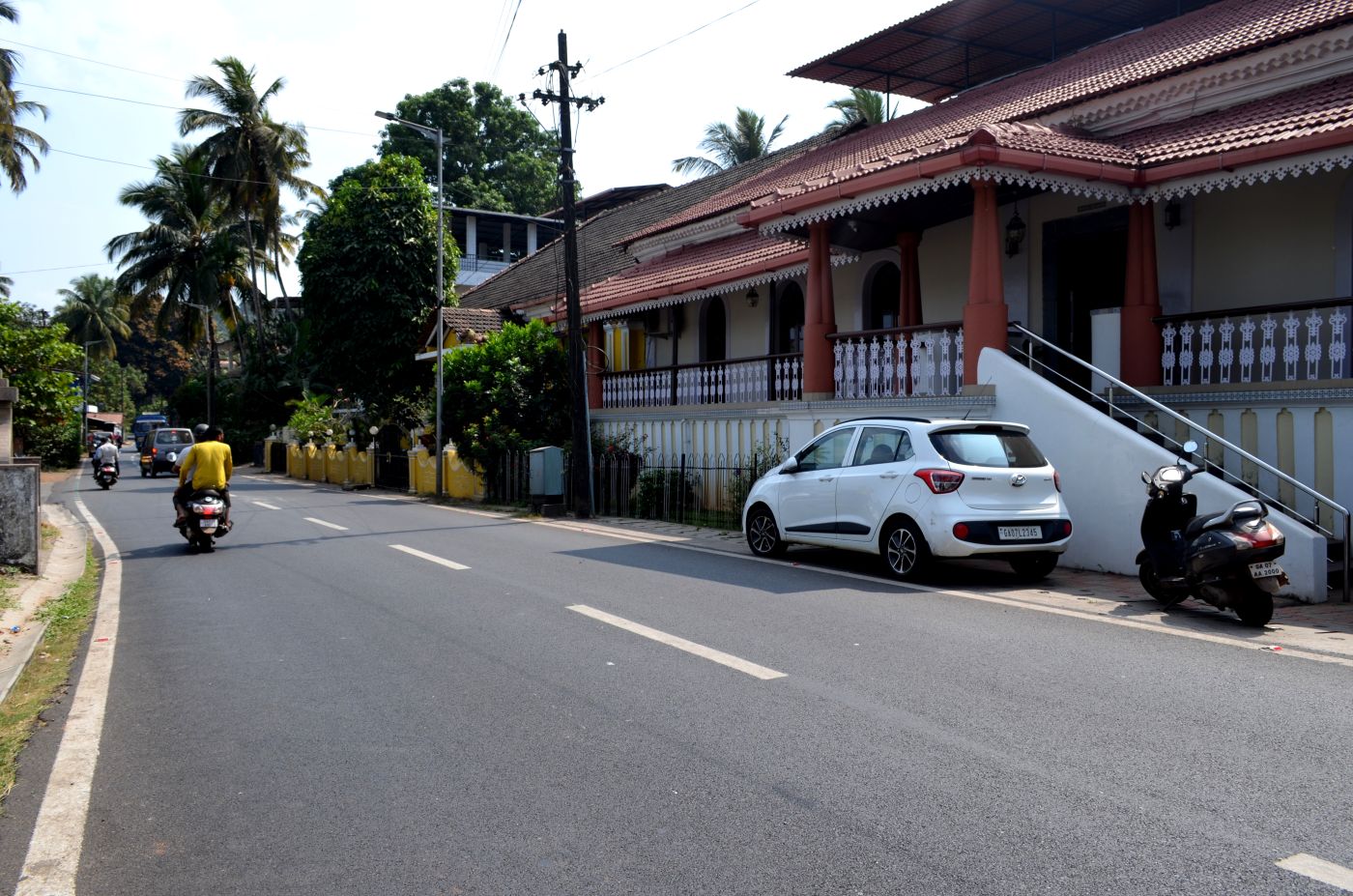
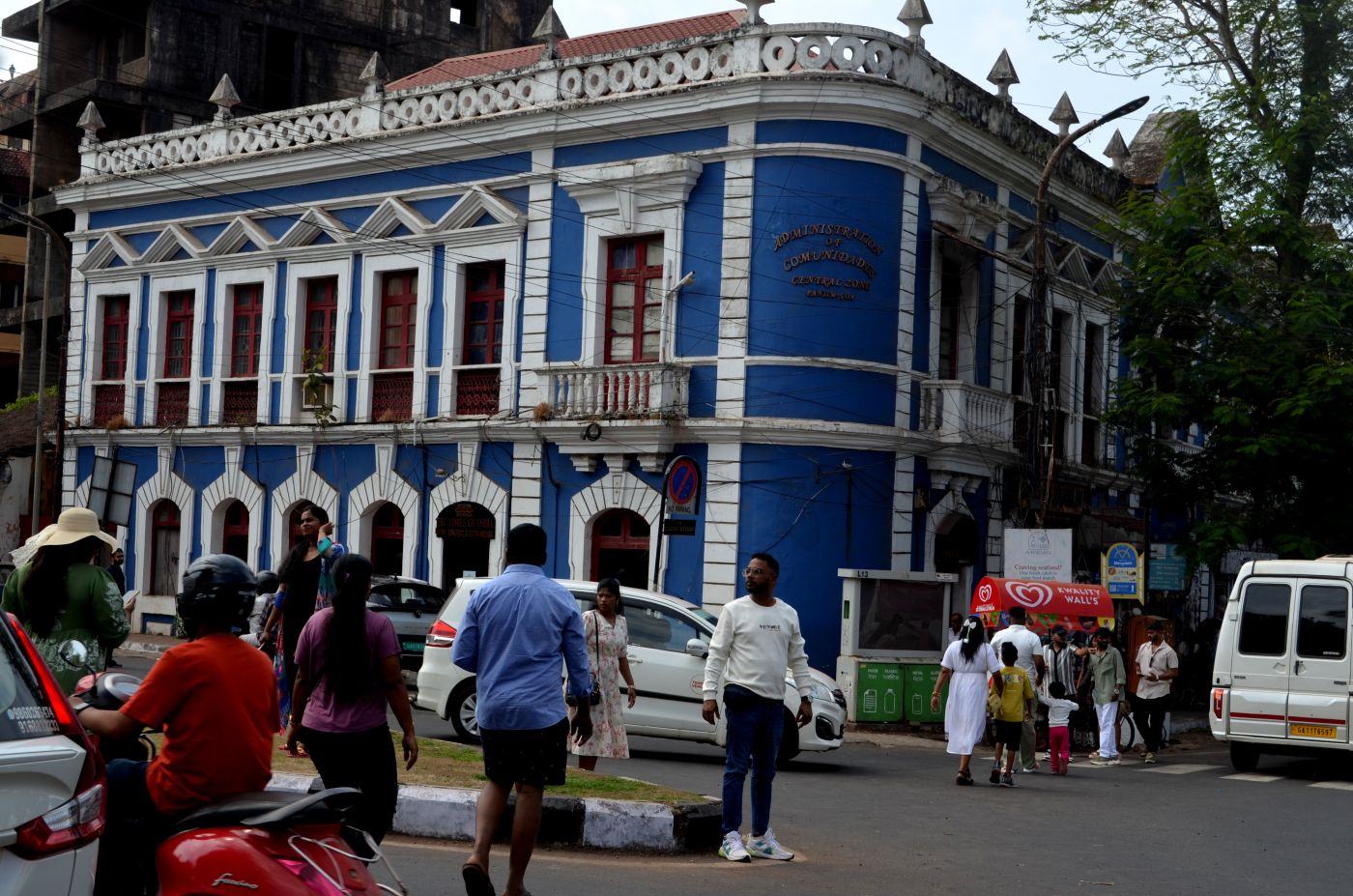
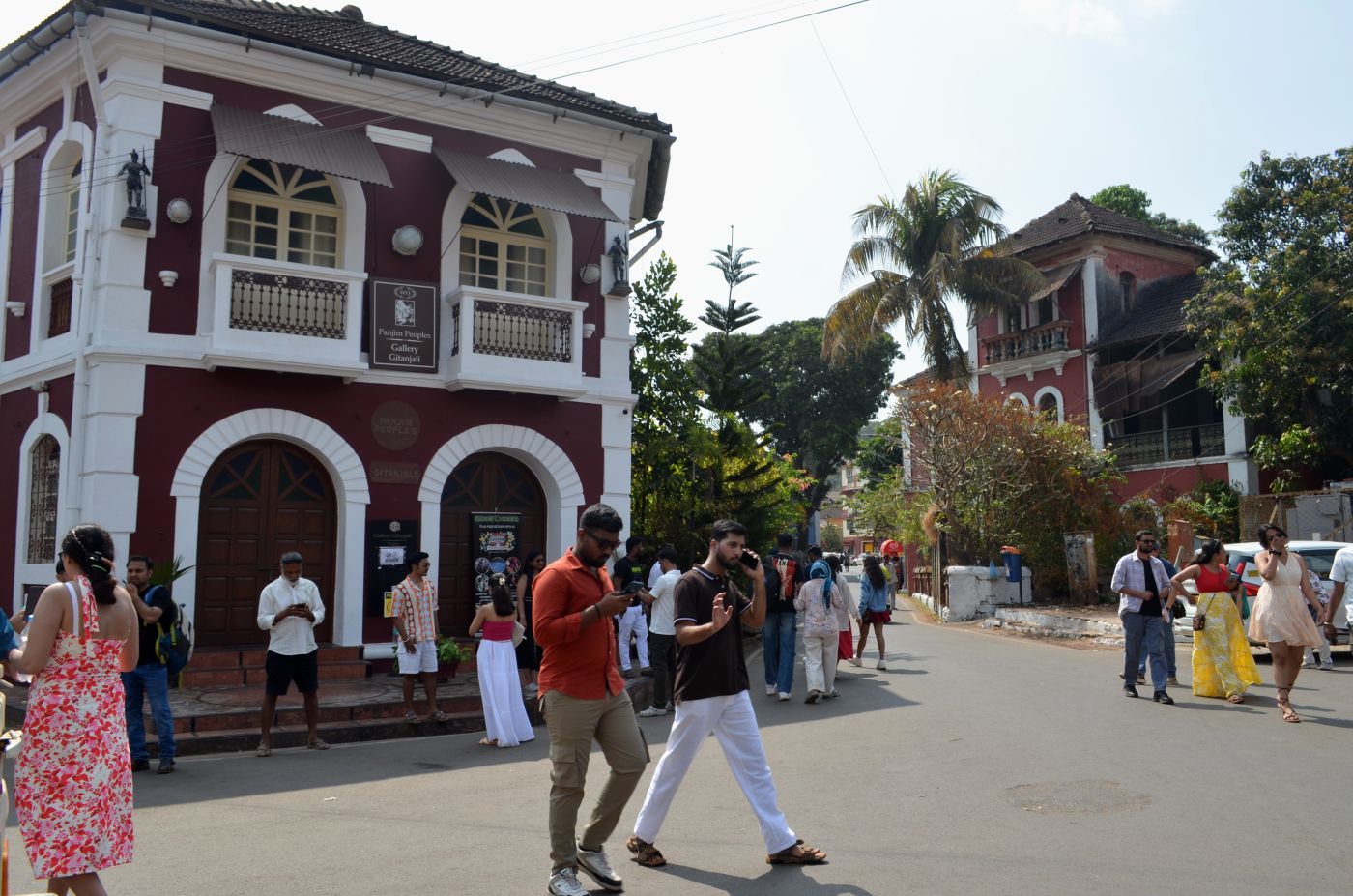
After visiting the White Church, we spent some time exploring the streets, which are famous for their old Portuguese-style houses. These houses are painted in vibrant colours and feature balconies, tiled roofs, and charming little lanes. Small cafes and restaurants were scattered among these heritage buildings, giving the neighbourhood a lovely old-world charm. Walking through these streets felt like stepping into a different era, where Goa's Portuguese influence is still visible in everyday life.
One of my wishes was to dine at one of the most popular restaurants in the area, Viva Panjim, which is housed in one of these beautiful old heritage homes. Unfortunately, due to the time crunch, that wish remained unfulfilled. Perhaps it gives me another reason to return to Goa someday.
Our next destination was the Basilica of Bom Jesus. The route our driver chose to reach the basilica made our Goa tour even more memorable. I had always wanted to know more about Goa's Portuguese colonial past, and this drive gave us a glimpse of that history beyond the usual tourist attractions.

We travelled along the Ponte de Linhares Causeway, also known as the Ribandar Causeway or Patto Causeway. Built by the Portuguese in 1633–34, this approximately 3.2-kilometre-long causeway connects Panaji with Ribandar along the Mandovi River. Before it was built, travel between Panaji and Old Goa in this area was mainly by boats and canoes, as marshy wetlands separated the settlements. The causeway is a long roadway built over stone arches across the marshy floodplain.
As we drove along the causeway, the Mandovi River stretched along one side of the road, while the other side was lined with old Portuguese-style houses. Some of the houses stood weathered and almost in ruins, carrying the marks of time, while others had been beautifully restored and renovated. The old, neglected houses and the well-maintained ones made the drive interesting, giving us a glimpse of Goa's Portuguese heritage and how it has changed over the years.
What made the journey even more interesting were the ghost stories narrated by our driver. He told us that many of the Old Portuguese houses in Goa had their own stories of strange experiences and unexplained incidents, which, according to him, were quite common among the locals. Whether these stories were true or simply part of the local stories surrounding these centuries-old houses, they certainly added an element of mystery to our drive through this historic part of Goa.

As we reached the Basilica of Bom Jesus, the centuries-old structure immediately caught our attention. The Basilica of Bom Jesus is one of the most famous historic churches in Goa and a UNESCO World Heritage Site. Built between 1594 and 1605, the church is particularly famous for housing the mortal remains of St. Francis Xavier, the 16th-century Jesuit missionary whose body has been preserved here for centuries.
The Basilica is open from 9:00 AM to 6:30 PM on weekdays and from 10:30 AM to 6:30 PM on Sundays. There is no entry fee to visit the church.
There was a long queue to enter the basilica, but we patiently waited for our turn. The old-world architecture reflected Goa's rich Portuguese heritage.

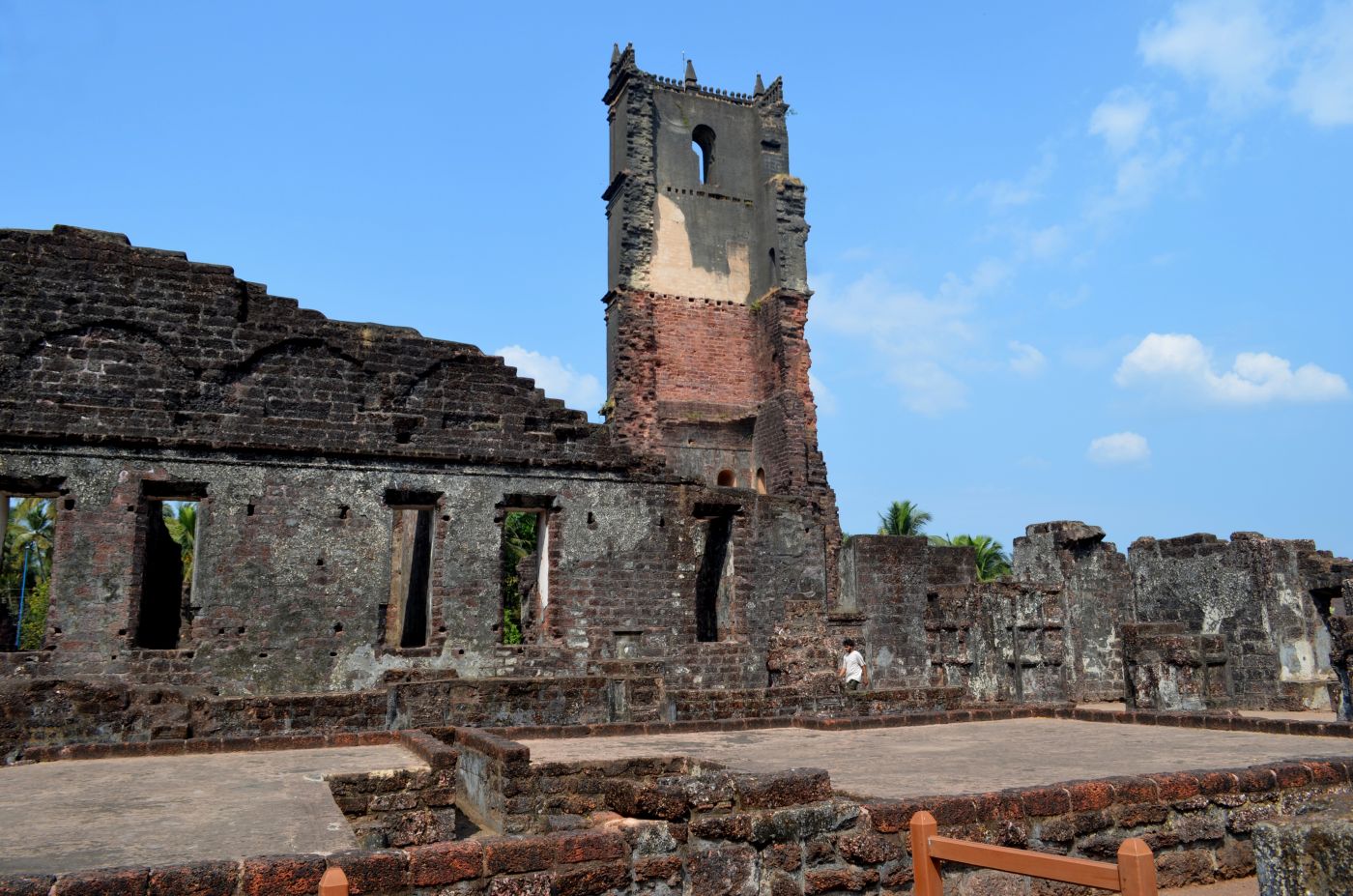
Our next stop was the ruins of St. Augustine Church in Old Goa. Built in 1597 by Augustinian friars, the church was once a magnificent structure with a towering 46-metre-high bell tower. The Augustinians abandoned the complex in 1835 after their religious order was suppressed in Portuguese territories. The structure gradually fell into ruin, and the church's roof eventually collapsed.
Today, only the ruins of the church and its massive tower remain, standing as a reminder of Goa's Portuguese-era history. Walking among the weathered stone walls, it was difficult to imagine that this quiet ruin was once a grand church filled with life.
We also visited the Museum of Christian Art, located next to the ruins of St. Augustine Monastery. The museum houses a fascinating collection of Indo-Portuguese Christian art dating back several centuries. The paintings, sculptures and religious artefacts beautifully reflect how Indian craftsmanship blended with Portuguese Christian traditions.
Interestingly, the museum shares a wall with the Church of Santa Monica, so visiting the museum also gives you an opportunity to see this historic church.
Visiting hours for St. Augustine Church are from 9:00 AM to 5:00 PM, while the Museum of Christian Art is open from 10:00 AM to 5:00 PM. The entry fee for the museum is 100/- per adult.
We had planned to have a Goan-Portuguese-style seafood lunch during our South Goa trip. Our driver recommended a beachside restaurant at Colva Beach for seafood. However, as the restaurant served lunch only until 3:00 PM and we were already late, they refused to serve us lunch.
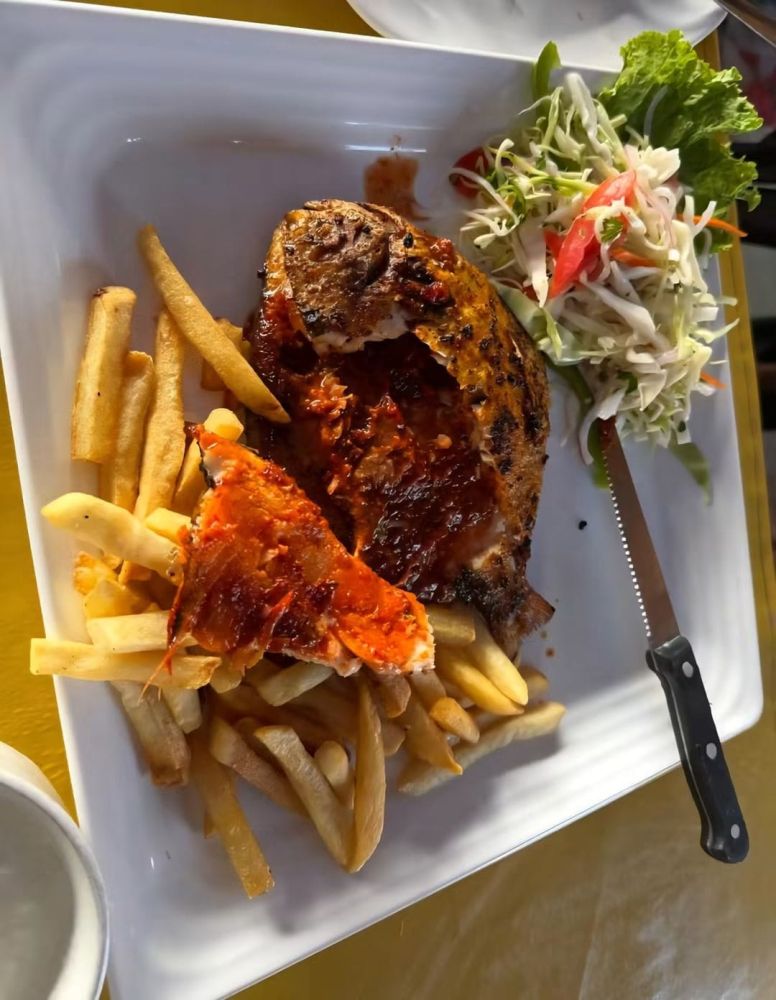
We then went to another restaurant and ordered Pomfret Recheado, a classic Goan-Portuguese delicacy, along with Garlic Pepper Tiger Prawns. The taste of both dishes was really good, and the quality of the seafood was excellent. Since these were not regular dishes on their menu, they took some time to prepare them. The price was also unexpectedly high. We were charged around 6,000/- for one plate of the two seafood dishes and two Virgin Mojitos.

After enjoying our lunch, we went to Colva Beach. However, we couldn't stay there for long as we had pre-booked a sunset cruise with Paradise River Cruise on the Mandovi River. Once again, we were running late and unfortunately missed our cruise.
Our driver then took us to another cruise, but the experience was not as good as we had expected. However, my son enjoyed the music, and we still enjoyed the beautiful view of the Mandovi River meeting the sea.
After that, we headed straight back to the hotel. We were so tired after the day's travel that we didn't have a proper dinner. We simply had some tea and French fries before going to bed.

This was our last day in Goa, as we had a flight at night. After enjoying a really lavish breakfast at the hotel, we checked out. Since we hadn't really enjoyed taking a dip in the sea during our trip, we planned to spend some time at a less crowded beach in South Goa.
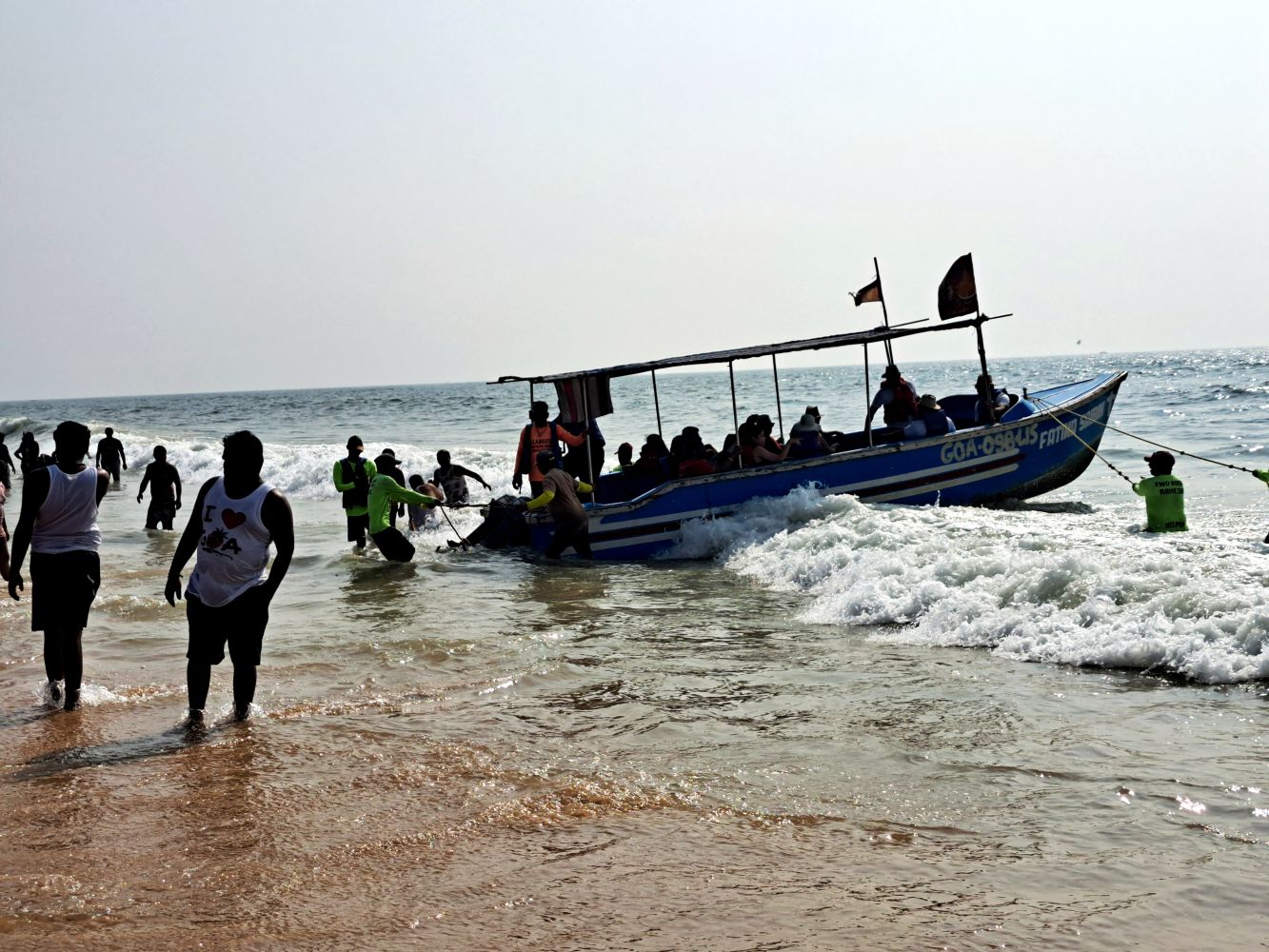
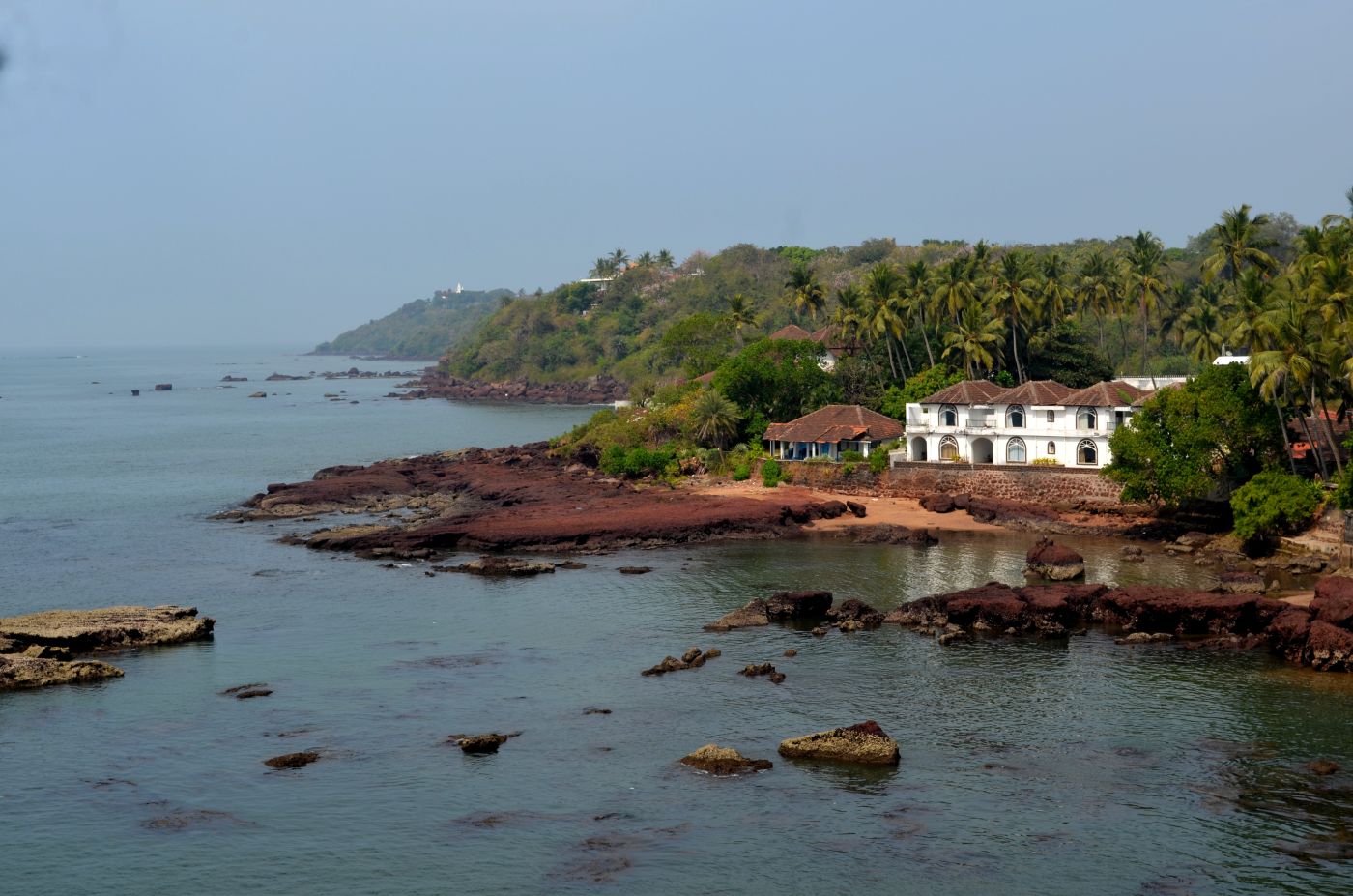
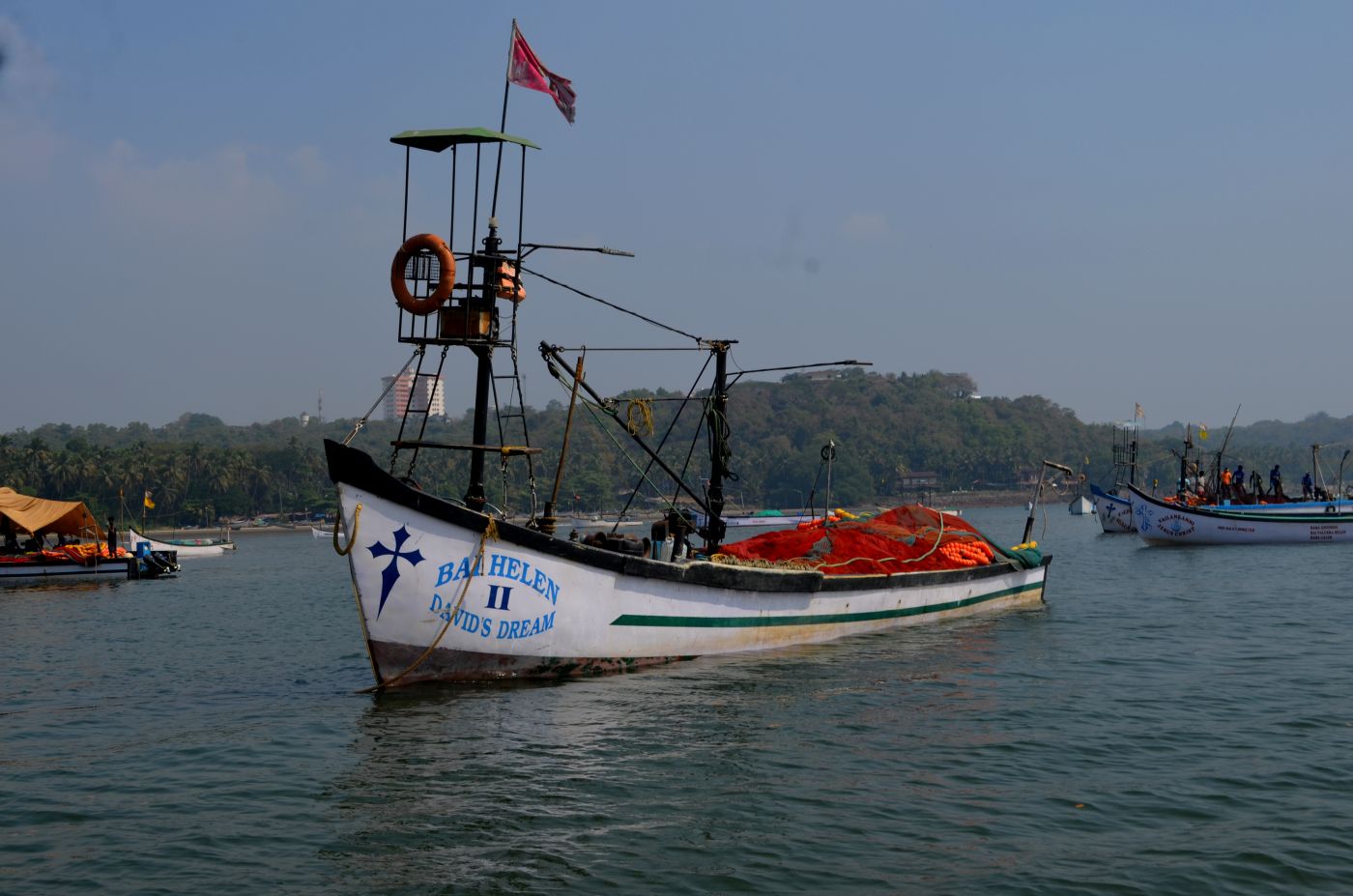
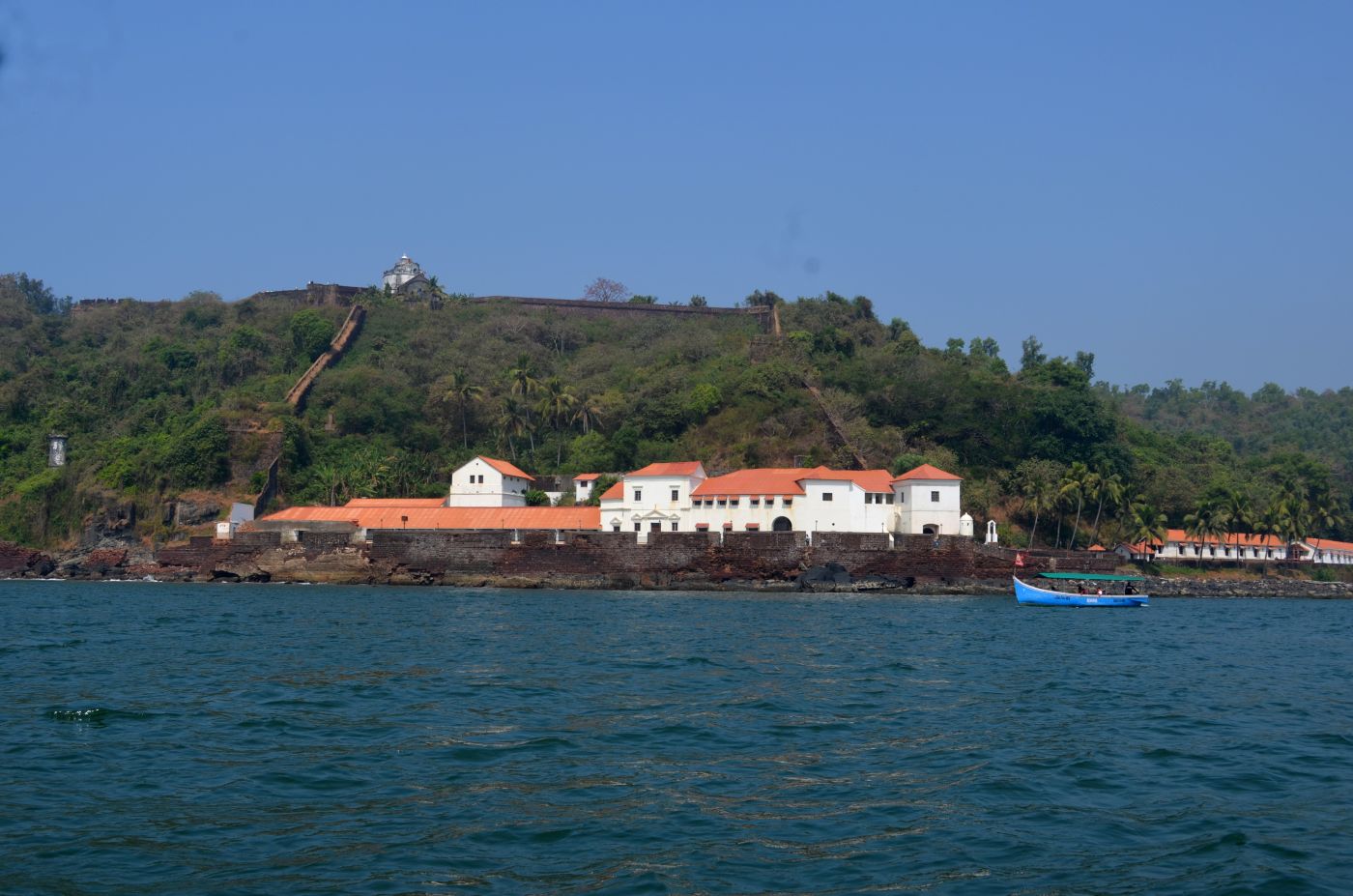
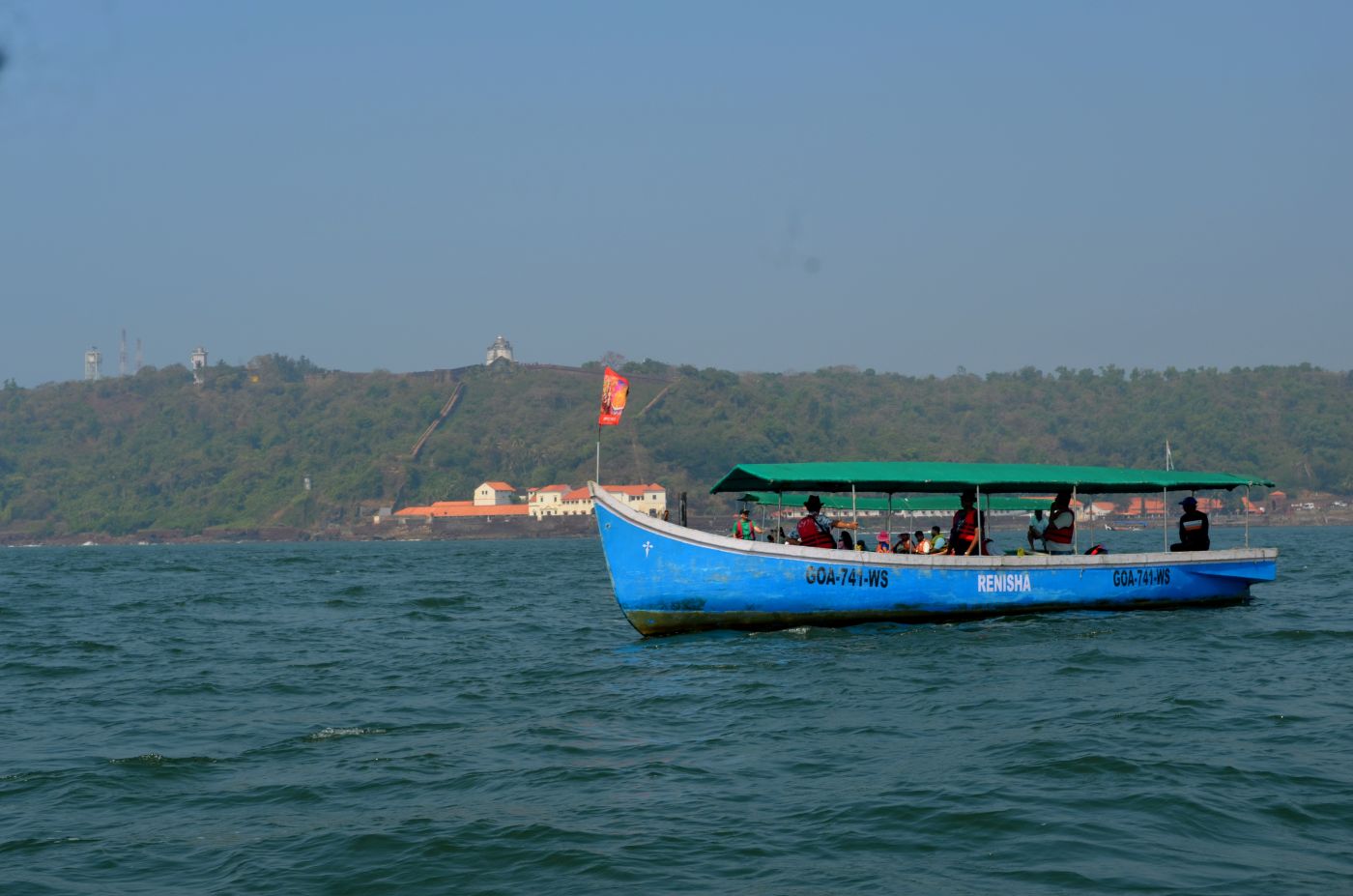
We started our third-day Goa tour with a dolphin-sighting boat trip near Palolem Beach. We hired a boat and started our journey into the sea. On the way, we could see a big bunglow in a hill which is owned by a famous don and Aguada Jail, which was once part of the Portuguese Aguada Fort complex.
During Portuguese rule, the site was converted into a prison, and many Goan freedom fighters were imprisoned there during the struggle for Goa's liberation. After Goa became part of India in 1961, it continued to function as Aguada Central Jail until 2015. Today, the old jail has been converted into a heritage site where visitors can explore the old cells and learn about Goa's freedom struggle.
On the way, the boat driver pointed out a large bungalow on a hill, which he said was owned by a famous underworld figure.

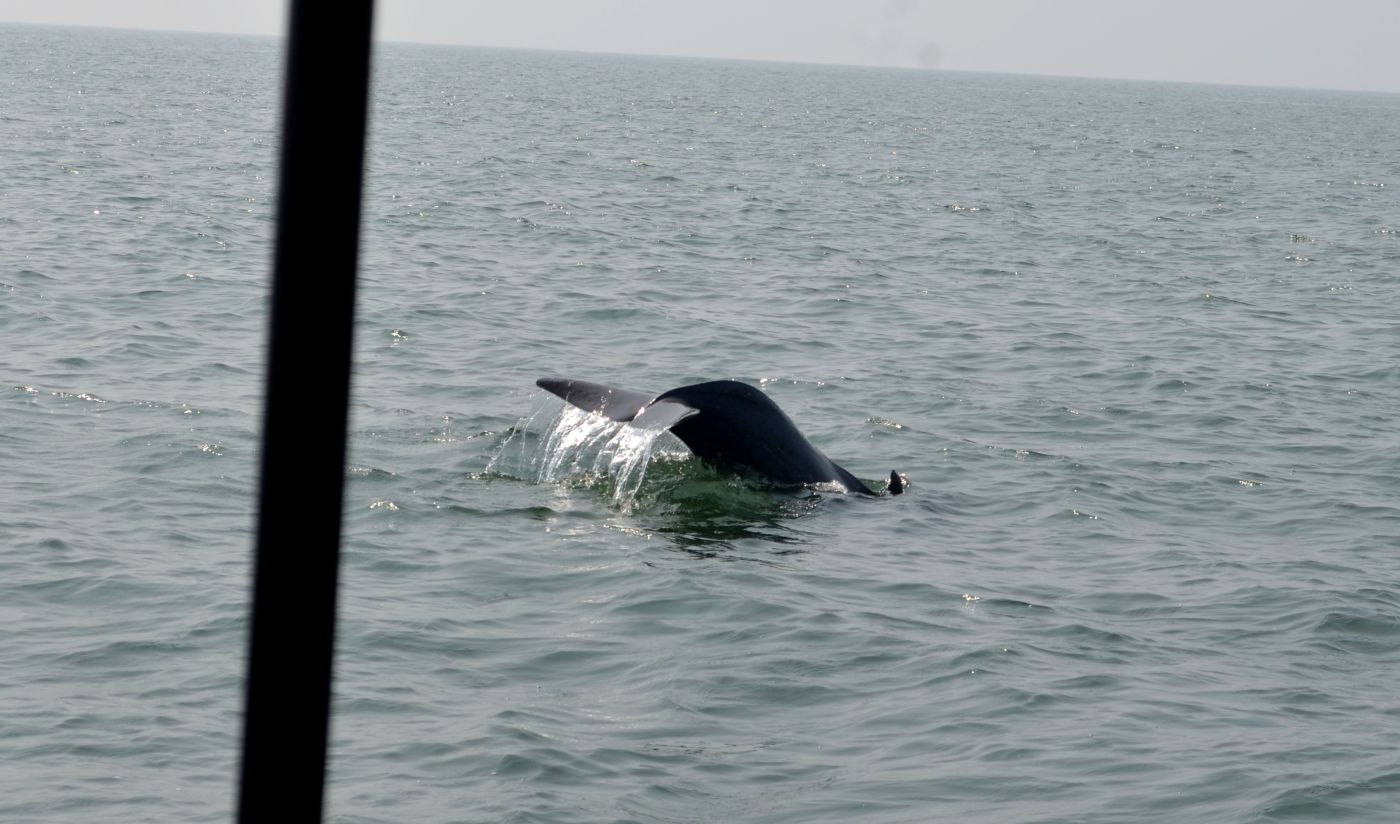
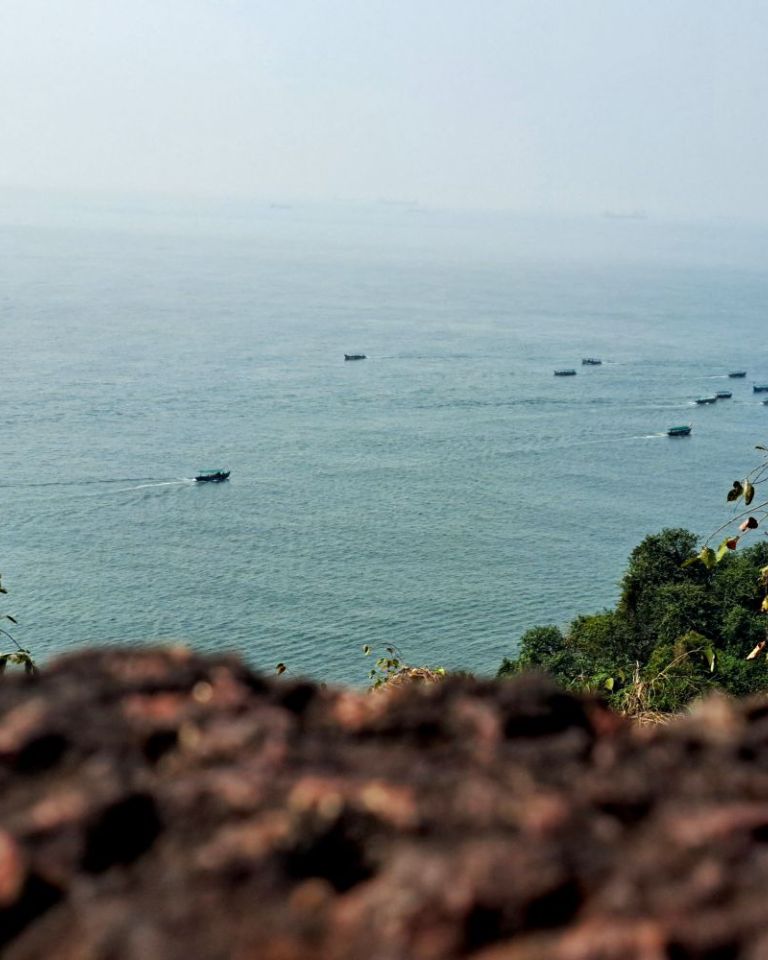
As we reached the dolphin-sighting area, we saw many boats gathered in the middle of the sea. Suddenly, dolphins appeared near one of the boats, and all the boats rushed towards that spot. Just when we thought we had spotted them, they would disappear and appear somewhere else, sending all the boats in another direction. It felt as though the dolphins were leading us further and further into the sea.
Eventually, we found ourselves almost in the open sea, with several ships visible in the distance. The cool sea breeze and the gentle movement of the boat made the experience extremely pleasant. We were lucky enough to see several dolphins, and my son enjoyed the experience the most.
It was one of the most enjoyable experiences of our Goa trip. I would definitely recommend not missing a dolphin-sighting boat trip if you are visiting Goa.

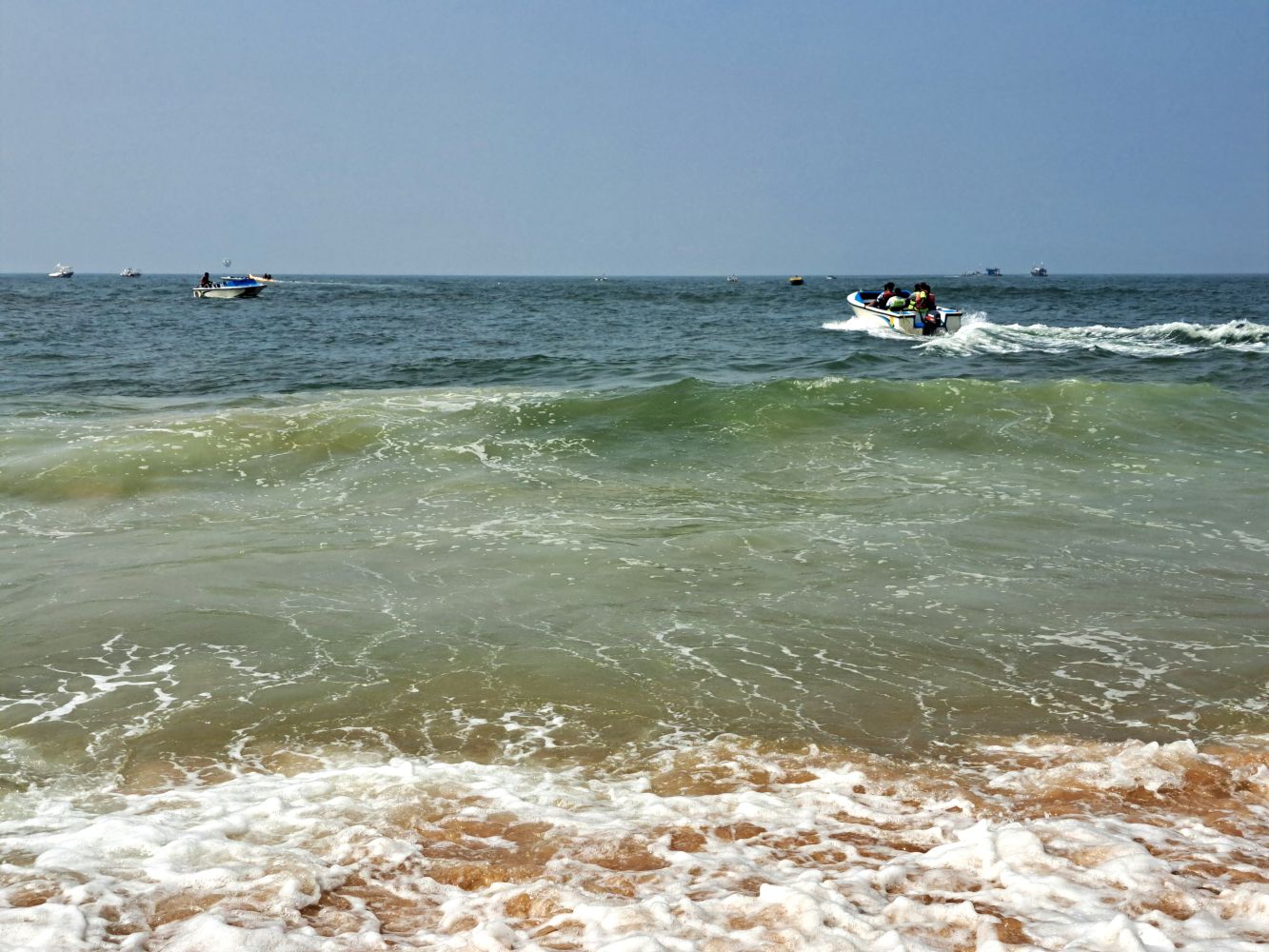
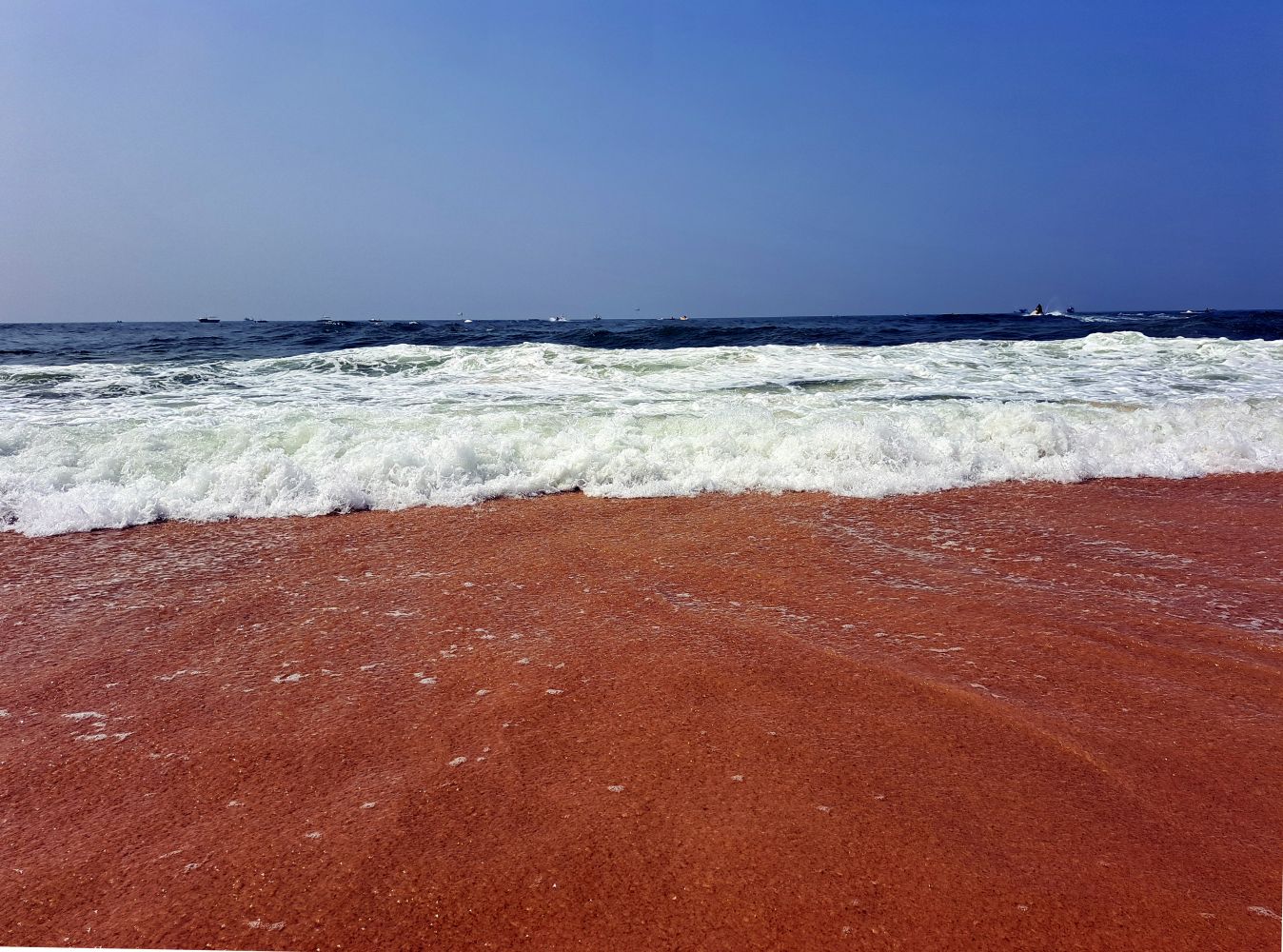
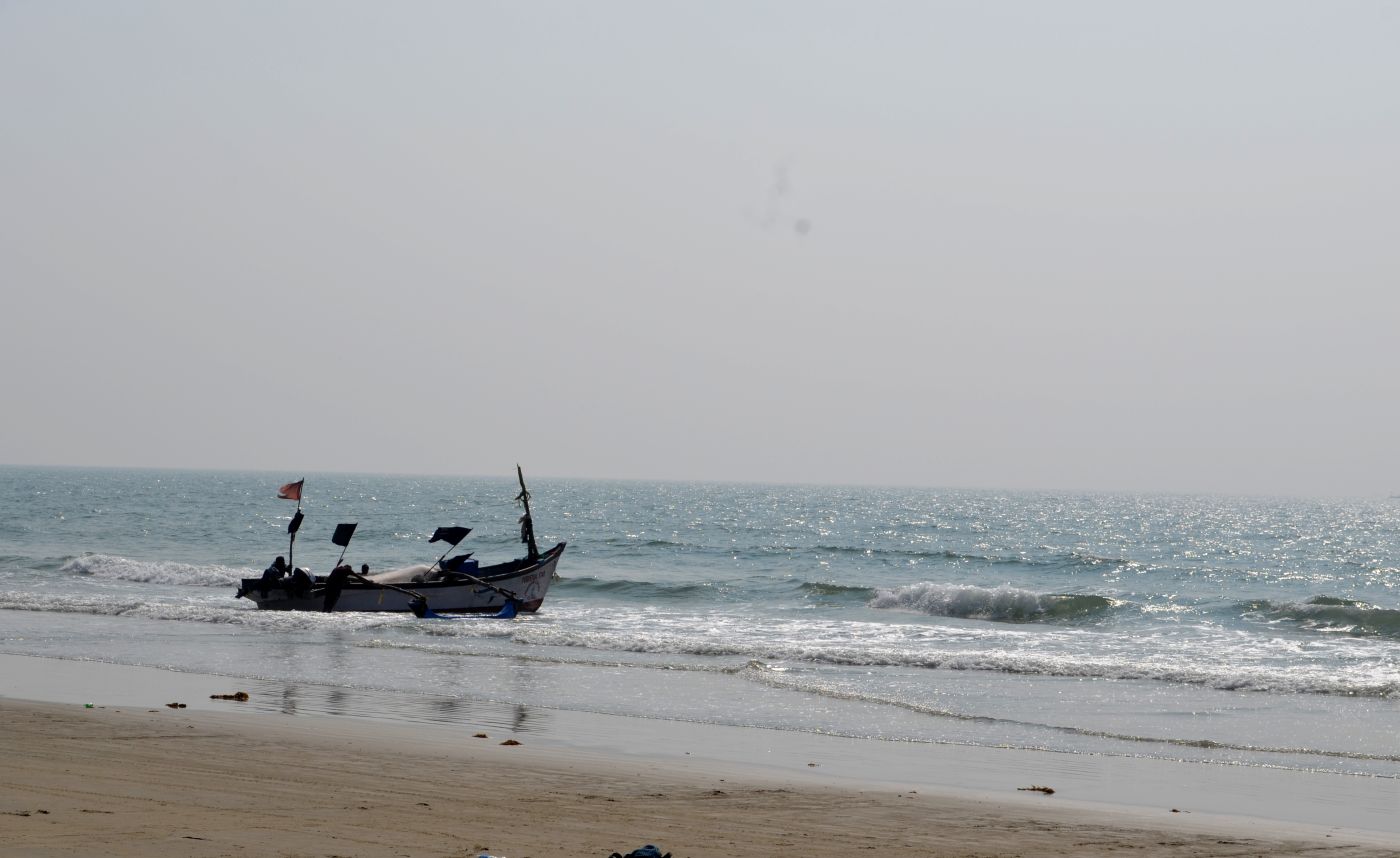
We then headed towards Benaulim Beach. It was much less crowded, with peaceful surroundings and a cool sea breeze. We really enjoyed spending time in the water and taking a dip in the sea with my son.
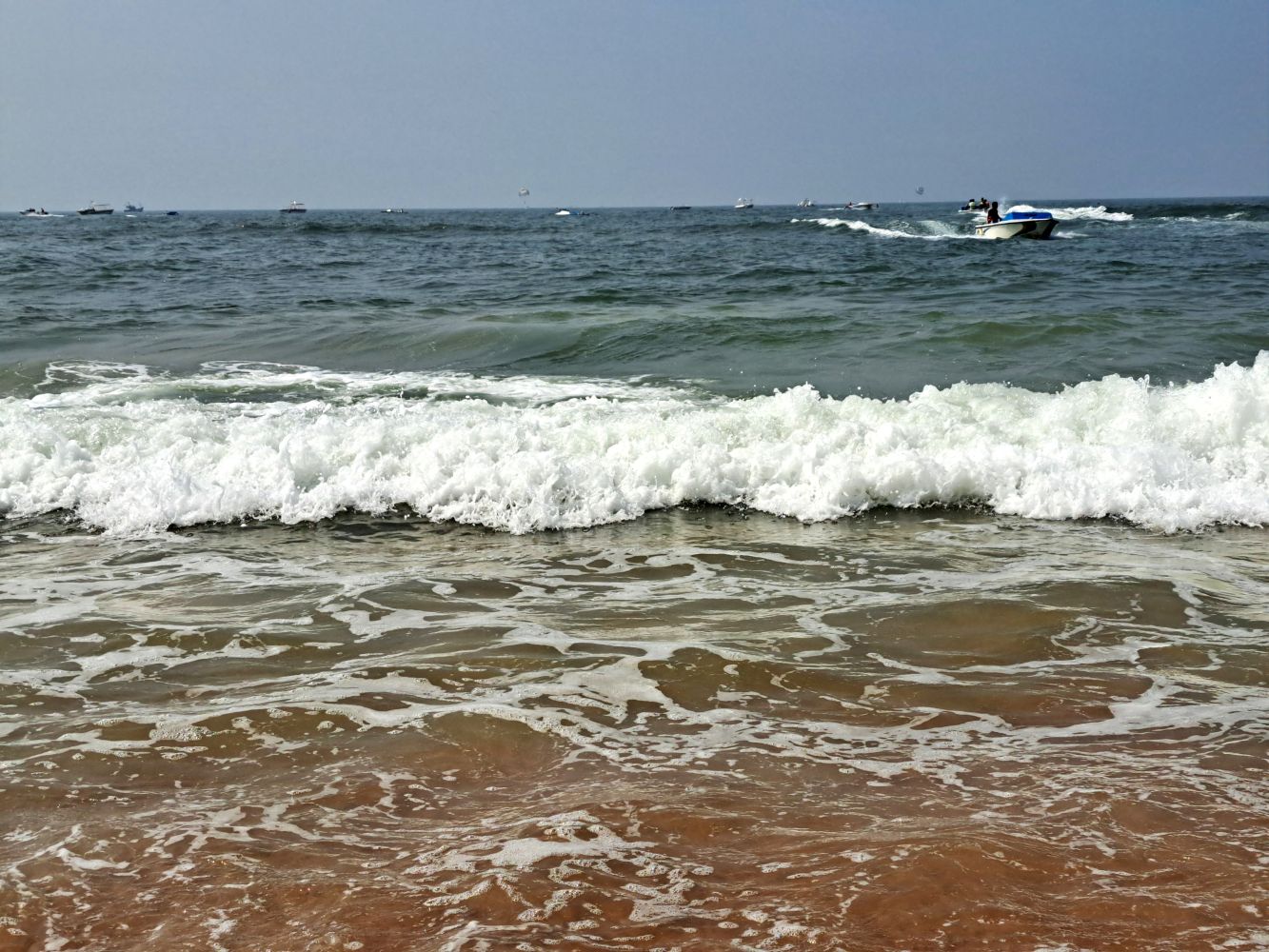
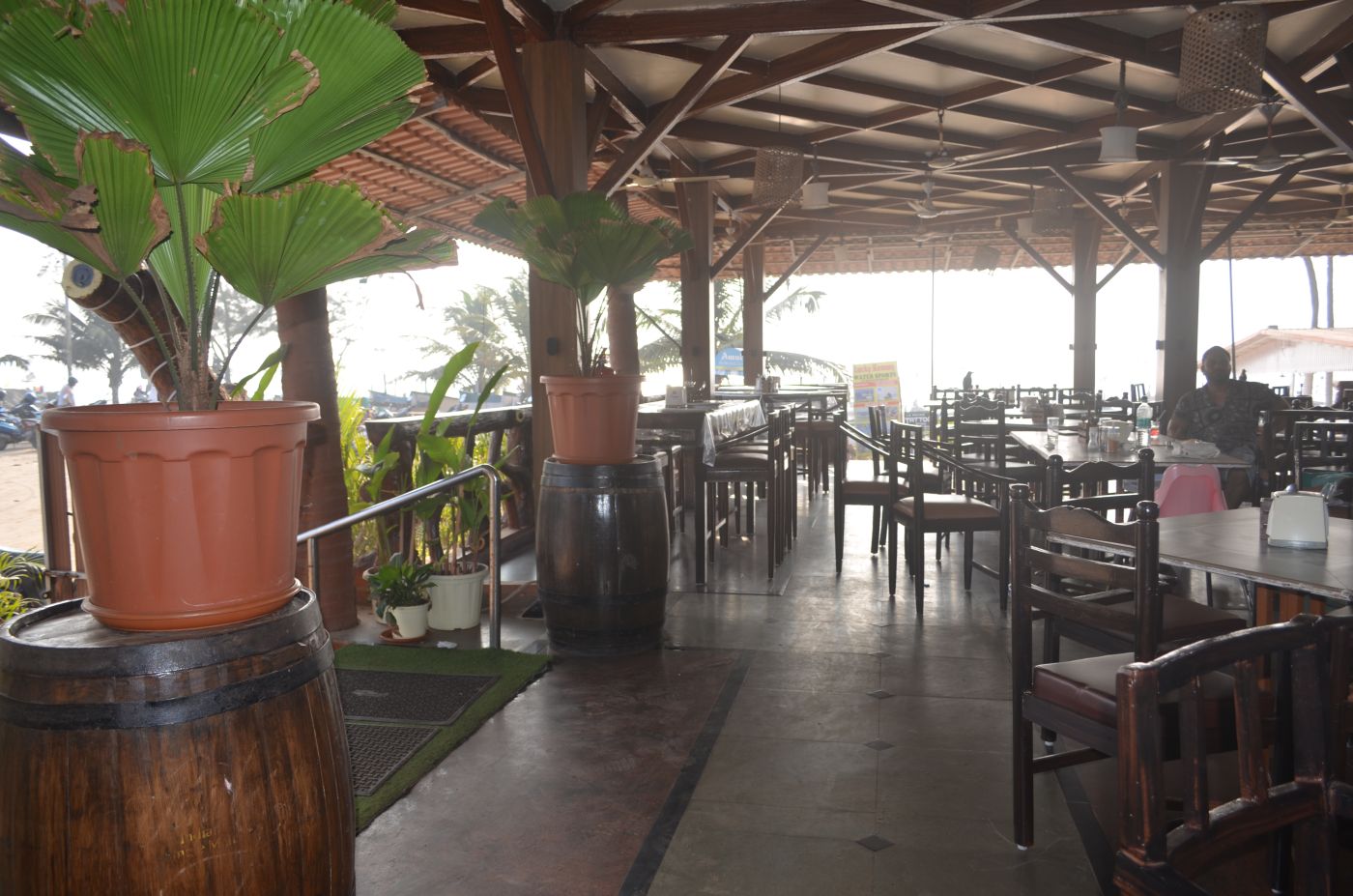
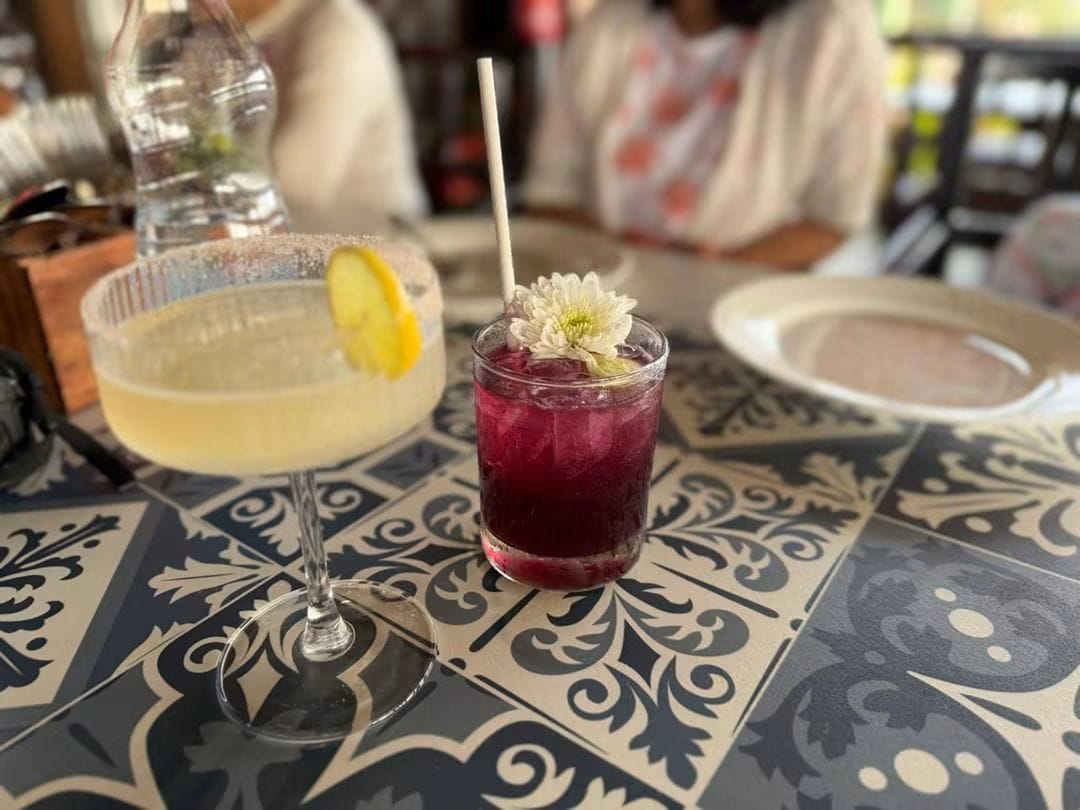
After enjoying the beach, we had lunch at Pedro's Bar and Restaurant at the beach, where we could see the almost empty beach from the restaurant. It was high tide, and we enjoyed watching the waves constantly hitting the shore. We ordered King Fish Xacuti, Prawn Balachao, and a Berry Blast, a Goan-style mocktail. The food was delicious, and the lunch was much more reasonably priced than the seafood meal we had at Colva Beach.
Our Goa trip ended on an extremely exciting note when we met Jonty Rhodes, the famous South African cricketer and legendary fielder, at the airport. We even had a chance to have a short conversation with him. It was an unexpected and wonderful way to end our memorable Goa trip.
We came back from Goa with tired feet but happy hearts, carrying memories of beautiful beaches, fun moments, and unforgettable experiences.